

Most body cells have the ability to divide and create more numbers of themselves. This ability is very useful in many situations as the body is prone to wear and tear over the long run. For example, a simple cut or wound can never heal completely until your skin cells in that area divide, become more in number, and cover up the entire wound to complete the healing. The same goes for many unseen damages happening inside your body. The multiplying cells also know when to stop multiplying based on many signals available to them.
However, sometimes, the cells become faulty and lose their capacity to undergo controlled multiplication. At such times, they divide uncontrollably often travelling to other body locations too. Cancer is the term doctors use to refer to this condition of uncontrolled growth of any type of cells in the body.
While it is naturally a scary time for anyone to think of this condition, treatments and outlook for any individual with cancer has tremendously improved in 2026 due to significant advancements in oncology. This is especially true for colon cancer, which remains one of the most common types. This article begins with the most essential information regarding colon cancer and its modern management to provide clarity and support.
What are the main cause of colon cancer?
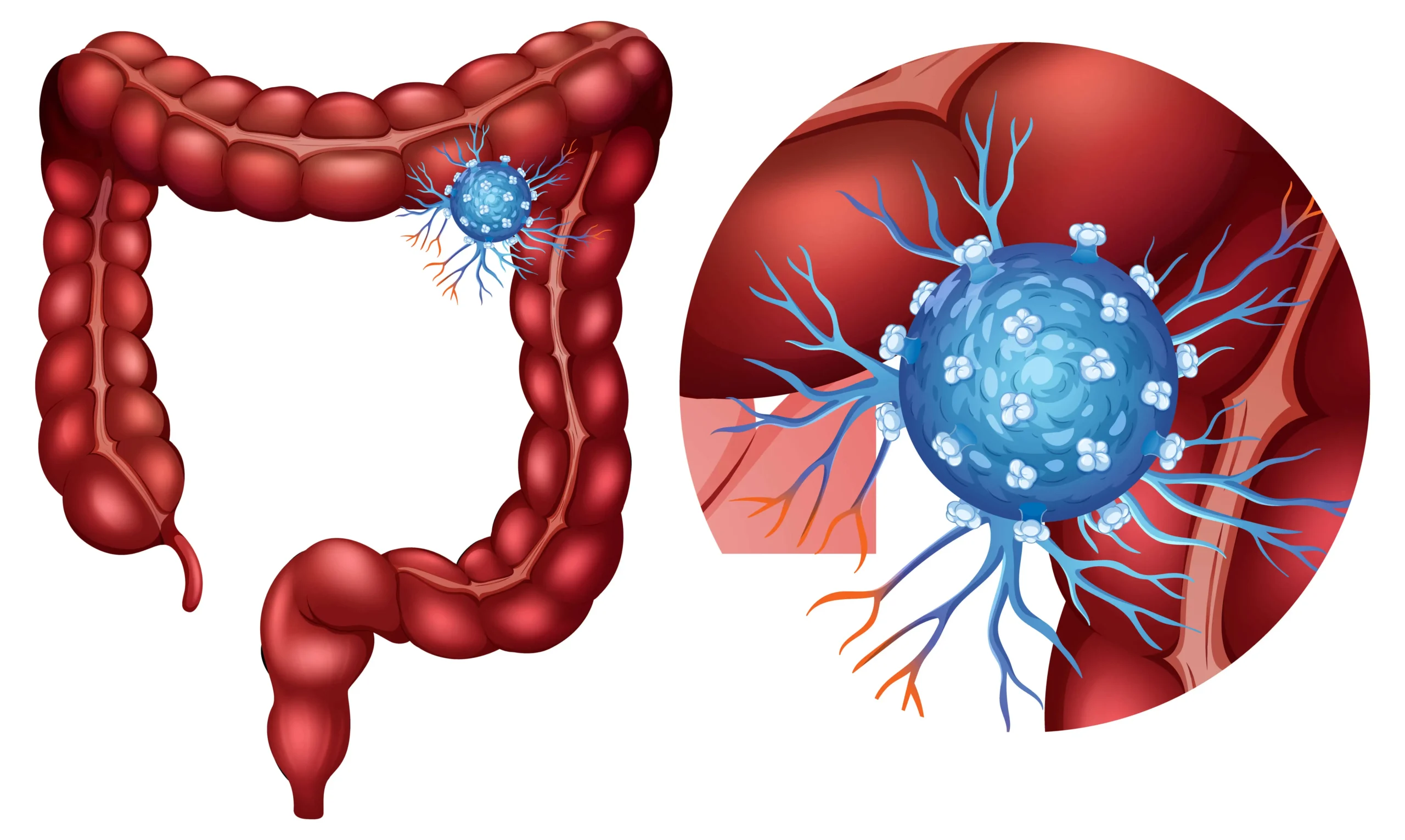
The food you eat enters the digestive system which starts at the mouth, followed by the stomach, small intestine, large intestine, and finally out of the rectum & anus. The largest portion of the long intestine is called the colon. When the cells in the colon multiply uncontrollably, it results in colon cancer. Colon cancer is also referred to as colorectal cancer.
Scientists have shown that most colon cancers occur when a mass of cells in the colon, called the colon polyps turn cancerous/divide uncontrolled. So, colon cancer starts in the inner lining of the colon. Overtime, the cancer cells grow through the layers of the large intestine and then can travel through the body.
Even after many decades of research, there are no studies which commit to a ‘single cause’ for any type of cancer. In other words, no one can exactly pin point to a specific event which could have activated the cells to become cancerous. Rather, studies show that cancer is considered a multifactorial disease—meaning, a combination of different things can trigger the final event.
Some of these triggering events are controllable like making appropriate changes in your lifestyle, diet, and physical activity. Some factors are uncontrollable, like some DNA portions which you might have inherited from your family.
Thus, for colon cancer, the most common causes (also referred to as risk factors) observed are:
- Being older than 50 years: colon cancer is mostly found in people aged over 50 years. However, studies are increasingly showing rising numbers of colon cancer in the younger population too, largely attributed to eating refined foods.
- Inherited genes/family history: having any close family members like your parents, or siblings who have/had colon cancer can increase your risk significantly higher than people who do not have anyone in with a family history. In fact, about 5–10% of colon cancers are caused by specific gene mutations (DNA portions which are wrong) passed down from parents.
- Dietary Habits: Diets high in processed meats and red meats (beef, pork, lamb) are shown to be consistently associated with a higher risk of getting colon cancer. When there is no fiber from fruits and vegetables, it slows down digestion which can leave any toxins in the colon for longer, exposing the colon inner lining to more damage.
- Weight and Activity: having a BMI of 25 or higher increases the risk considerably. Obesity causes long term inflammation and insulin issues, both of which cause faulty cell growth.
- Alcohol and Smoking: Long-term smoking and even moderate alcohol consumption are shown to damage DNA in the cells lining the colon.
- Inheriting certain conditions: Conditions like Lynch syndrome and familial adenomatous polyposis may lead to colon cancer.
What are the first signs of colon cancer?
colon cancer often starts when any combination of the above risk factors cause a hit which can change the DNA of healthy cells. This damage prevents the body from controlling cell growth, leading to the formation of small growths called polyps on the inner lining of the large intestine. Over time, if these polyps continue to divide without control, they can transform into cancer.
Removal of these precancerous polyps is the key to avoiding colon cancer to develop. But no one can feel these polyps, and they are detected only during a colonoscopy. However, doctors have noticed some common symptoms which can help them to investigate more and catch any changes early on.
Some early and common symptoms noticed for colon cancer are:
- Abdominal pain and bloated stomach which does not subside despite using any remedies.
- Blood in the stool and sometimes even in the toilet.
- Long term constipation or diarrhoea
- Feeling of incompletely emptying bowels even after multiple visits to the bathroom.
- Feeling tired or weak even after getting ample sleep and rest time.
- Unexplained weight loss even upon not trying to lose weight.
Is cancer of colon curable?
Colon cancer a few years ago was seen as a difficult to treat disease. However, in 2026, owing to the immense progress in research and clinical trials, colon cancer is considered to be completely treatable and curable—especially if caught during the early stages.
Colon cancer treatment is usually decided on the stages of its progression. Progression means how much the cancer cells have divided and how localised the growth is as seen during imaging tests.
Stage 1 and stage 2 of colon cancer are confined to the inner lining of the large intestine. This makes the treatment extremely effective, and the cancer does not relapse within a 5-year standard timeline set by doctors.
Stage 3 colon cancer shows mild spreading to other areas, such as lymph nodes nearby. At this stage, doctors use a combination of different treatments, which significantly brings the 5-year timeline to about 85%.
Advanced stage colon cancer is also termed as stage 4 colorectal cancer. Here, the cancer cells travel to far away organs too such as lungs, liver, and faraway lymph nodes. Many years back, this stage was considered quite difficult to cure and given low survival chances. However, in 2026, highly advanced drugs which can be personalised to target each individual’s DNA mutation/changes have been successfully shown to shrink tumours over multiple locations. These drugs along with precision surgery, helps a surgeon significantly to improve survival rates at even late-stage colon cancer.
Living with colon cancer – an empathetic and well-rounded approach.
With all the advancements in treating colon cancer comes the unavoidable side effects. However small they seem, it will undoubtedly feel big when going through such a sensitive and crucial recovery time. Nevertheless, there are multiple outlets which provide support for multiple aspects of this recovery phase.
Living with colon cancer involves managing treatment side effects, adapting to new bowel habits, and supporting the emotional stress.
Some pointers which can be followed during this time, to help living with colon cancer manageable are:
Recovery & Management: Many patients face challenges after undergoing treatments like surgery, chemotherapy, or radiation. Feeling fatigue, changes in appetite, and altered bowel habits are very common. Talk to your doctor for which types of supplements and foods can help at such times as this can significantly help manage these side effects.
Lifestyle Adjustments: Try to aim for sticking to healthy lifestyle habits like a high-fiber diet, limiting processed foods and red meat, and engaging in regular physical activity to reduce recurrence risks.
Monitoring with follow ups: Routine follow-up appointments help monitor for cancer recurrence. There are extremely sensitive tests nowadays like the ctDNA blood tests which can detect even microscopic amounts of cancer DNA after surgery. This allows doctors to administer treatments immediately if the cancer tries to return, significantly increasing the chances of a permanent cure.
Emotional Well-being: It is normal to feel anxious about cancer returning, especially after finishing active treatment. Finding support groups immensely helps offload the mental tension.
Managing Symptoms: Long-term management often involves addressing ongoing symptoms like diarrhoea, constipation, or pain, which may require adjustments in diet or medication. A good dietician does wonders to help manage these symptoms.
Facing a diagnosis like colon cancer is naturally a scary experience, but it is a journey no one should have to walk alone. While the idea of uncontrolled cell growth and spreading to the body is overwhelming, the medical advancements of 2026 have significantly boosted a doctor’s capacity to stop the cancer. Tools in 2026 range from preventive screenings to precision immunotherapy, to make more paths to healing than ever before.
The key is to always catch any changes as early as possible. Keeping this in mind, if you notice any unexplainable changes or just want a preventative check-up, look no further away than Smiles Gastroenterology Centre, Bangalore. Highly experienced and empathetic colorectal specialists here can help you figure out what exactly you are going through with utmost care and privacy. Their expertise and state of the art equipment can help notice any small changes however early it is. Stay tuned to your body’s signals and regularly talk to your health provider. These are the most powerful steps toward a healthier future.
