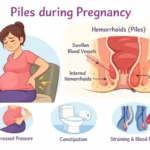

Piles is an uncomfortable condition experienced very commonly by adults. In fact, it is so common that 4 out of 10 adults in India would have felt the pain at some point. Many of us try to manage it with the usual tips we have heard like increasing water and fibre intake.
Many of the adults experiencing this literal pain in the behind also observe a common symptom-recurring pain/itching and would be keen to permanently bid goodbye to this permanently.
However, the biggest fear in seeking treatment is hearing the word “surgery” from your doctor. Many think that doctors would resort to the knife on the first consultation itself. The good news is-this is not at all true. Surgery is often considered the last resort to treat piles. And it is mostly recommended during increased severity and when other options are not so effective.
So, this gets us back to the question asked as commonly as this condition itself-is it possible to get rid of piles permanently without surgery? If yes, how to achieve that?
But first, a little interesting info at how a doctor decides the treatment options for piles
You may have heard of terms like starting stage piles, or type-1 or type-2 piles. Usually piles begins as a very small swollen area of veins in the anal canal. When managed with diet and hydration, these swellings settle and return to normal.
Upon repeated pressure this swollen portion increases in size, and possibly hang out of the anus slightly. These can be still be pushed back, while sitz bath, water intake and diet usually help with the recovery. But when it keeps repeating, the pile permanently hangs out. This is when a doctor would typically consider surgery.
Only an estimated 10% of piles cases go up to the last stage and require surgical interventions. Here is a small table to make this explanation easier to understand.
|
Severity (Grade) |
What It Means |
Typical Management |
When Non-Surgical Procedures Are Used |
|
Grade I |
Small internal haemorrhoids |
– High-fibre diet, water |
Usually not needed at this stage. |
|
Grade II |
You can feel the swollen vein come out during a bowel movement, but goes in by itself. |
– All Grade I measures |
If symptoms reoccur a lot, then • Rubber Band Ligation (RBL) |
|
Grade III |
The swollen vein comes out of the anus and must be pushed back manually |
– All the above care |
Strongly considered, especially if bleeding or discomfort persists: |
|
Grade IV |
Permanently prolapse hangs out and cannot be pushed back |
– only pain symptoms go away with at home remedies |
Non-surgical options do not work for Grade IV. |
Here are some proven strategies which can help you banish this pain for good.
The best part about piles is: yes, it can be controlled without surgery. Read on for proven and lasting effective measures you can take right now.
Remember all the points ultimately aim to make your stools soft and easy to pass. Remember, soft stools=no straining=no pressure on anal veins=no piles.
1. Take a note of your diet today!
Fibre and water make the best aids for getting things moving in your intestines. Make sure you are getting your 25g of fibre per day today (25g-35g is ideal). Also make sure you are drinking at least 8 glasses of water daily. This is one of the most underrated, yet most effective ways to keep the stools soft and smooth.
2. Not getting enough fibre?
Worry not, try supplementing your diet with psyllium husk. You can get it as powders, and syrups easily over all internet platforms. Remember to consult a doctor about the dosages before you start.
3. Reconsider your bathroom schedules.
First and foremost, never control the urge to use the bathroom. Controlling the urge makes the stools harder, and the strain to pass these hard stools results in piles.
Secondly, try and never sit on the toilet for too long. There are many reports on how phone scrolling over the toilet can lead to too much time on it. This increases the pressure on the veins and thus piles.
Thirdly, try squatting as an integral form of your daily exercise. You can also keep a stool just below your feet. This elevates your legs to mimic the squatting position.
4. Take relief in sitz baths.
Add some Epsom salts, and some warm water to make your relaxing sitz bath. Soak the inflamed anal region in this for the ultimate relief. The warm water relaxes the anus muscles relieving the pressure on the veins.
Still feeling that the piles just will not go away no matter what you try?
Do not worry about hearing the term surgery yet. Medical science advancement has resulted in several non-surgical, non-invasive treatment options which the doctor can administer.
- Infrared coagulation: when the haemorrhoid is treated by exposure to infrared light which shrinks the swollen veins to get the piles back to normal.
- Rubber band ligation: perhaps one of the most heard of procedures for piles. The doctor places a rubber band around the swollen vein/pile. The band helps the haemorrhoid to shrink by cutting off blood supply.
- Sclerotherapy: a chemical is injected into the piles tissue which makes a scar tissue there. This scar tissue cuts blood supply to the haemorrhoid and makes it fall off when completely dried up.
What happens in the rare 10% of cases who need surgical options?
Well, short answer is-they will be taken good care off by our expert doctors in Smiles Gastroenterology centres, Bengaluru. At smiles, doctors have decades of hands-on experience in dealing with all matters gastro. With state-of-the-art equipment, it makes each procedure that much more effective.
Bogged down by piles? Worried about the term surgery? As our lead expert Dr. Parameshwara C M aptly says- about 85% of piles cases need no surgery. That is the key here you can adjust your lifestyle, toilet habits, use stool softeners, and you will be well on your way to a happy bowel life.
However, if you are worried you fall into the rare 10% category, worry not! Come, consult with Smiles gastroenterology centres, Bengaluru, where even big surgeries are so expertly handled that they will feel like small procedures!


Dr. Pavithra A is a Senior Colorectal Physician at Smiles Institute of Gastroenterology with over 14 years of clinical experience. Specializing in conditions like piles, fissures, and fistulas, she is particularly recognized for her expertise in treating colorectal issues in women and during pregnancy. Based in Bangalore, Dr. Pavithra is known for her empathetic approach and commitment to providing ethical, patient-centric care for complex digestive and anorectal disorders.
- Dr Pavithra

- Dr Pavithra
- Dr Pavithra
- Dr Pavithra