Piles are also medically called hemmorhoids. These are nothing but swollen veins in the rectal area which can cause intense pain and bleeding under pressure, like when you sit or pass a bowel movement. In recent years, the number of piles cases have drastically increased because of adopting unhealthy lifestyle practices. The good news is you can easily prevent piles by reversing these habits one day at a time. So, let us read of some powerful and easy tips for our lifestyle, and diet that are really effective to keep a healthy gut and thus, prevent piles.
While maintaining a fiber-rich diet and staying active are vital for long-term prevention, it is equally important to understand the underlying causes and clinical stages of the condition. Recognizing early piles symptoms—such as minor discomfort, itching, or occasional bright red spotting—is the first step toward effective management. By addressing these signs early through informed lifestyle adjustments and medical guidance, you can prevent the condition from progressing and ensure lasting digestive wellness.
While adopting a fiber-rich diet and a consistent exercise routine is essential for long-term health, identifying the starting stage of piles is the most critical step in preventing the condition from escalating into a more severe medical issue. If you notice early warning signs like mild itching, persistent discomfort, or minor swelling during bowel movements, it is vital to act immediately rather than waiting for symptoms to worsen. Combining these proactive lifestyle modifications with professional medical advice ensures that you can manage the condition effectively and regain your digestive comfort before advanced intervention becomes necessary.
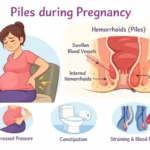
A quick look at how piles are formed ?
Everyone’s gut is made of— in this order—the stomach, the intestine, and the rectal & anal portion. Food first passes through the stomach and intestine, and the waste from it is pushed to the rectal area with the continuous wave like motion of the intestine.
Now, under normal conditions like enough hydration, digested fibre and rest, the digested waste is smooth and moves freely. But, when you are low on hydration, fibre and physical activity, the waste becomes hard and settles down instead of moving out. And when you feel the urge to pass stools, the hard stools make you strain. This puts pressure on the veins, resulting in swollen veins or piles.
As the well-known saying goes “prevention is better than cure,” let us read about some proven and effective changes in lifestyle choices which includes diet, hydration, and movement for keeping a healthy gut and preventing piles naturally.

Expert-backed dietary and hydration changes to prevent piles ?
We are what we eat. By eating fibre rich food, the stools will remain soft because fiber absorbs a lot of water and adds bulks to stools. The ultra-refined and ultra-processed foods we eat are super tasty but contain close to no fibre. Thus, even if you drink enough water, no fibre in foods means the digested waste cannot absorb water, leading to hard stools.
The simplest way to prevent piles is by eating more fibre. Aim for 25-30 grams of fibre daily by using a combination of different food types like below.
- Whole grains like brown rice, oats, and millets (about 1 cup full per meal)
- Fresh fruits such as papaya, banana, apple, and guava (aim for 5 fruit types and 150 g per day)
- Vegetables like spinach, beans, carrots, and bottle gourd (about 2 cups of cooked veggies in one meal)
- Legumes such as moong, rajma, and lentils (half to one cup of cooked dals)
Hydration
Just like how it is important to eat fibre, it is equally important to maintain enough water in the body to prevent piles. Drinking water maintains the natural wave motion of the intestines.
In fact, eating fibre without drinking adequate water can worsen things by making more hard stools and not preventing them. Aim to drink at least 6-8 glasses of water in a day
- Pace drinking water steadily throughout the day for good absorption
- You can also consider other fluids in your hydration quota for the day—if they do not contain caffeine since it causes dehydration. You can drink liquids like buttermilk or chaas, tender coconut water, and vegetable soups.
Thus, always remember to pair your fibre intake with good hydration to keep a healthy gut.
Some power driven and must-try movements for preventing piles ?
Sedentary lifestyle is a big contributor of piles. If you are lying down for long hours, it slows down the wave motion of your intestines. This accumulates food waste, gas, and fluid build-up—all leading to hard stools. Also, when you sit for long, there is constant pressure on your rectal veins which triggers or worsen piles. A simple solution for this? moving more—even small walks frequently make a huge difference.
You can try some easy exercises like:
Aiming regularly for 30 minutes of any form of exercising, gives you a huge head-start for preventing piles. Some exercises beneficial for preventing piles are
- Brisk walking: Just for 30 minutes/day, 5 days/week works wonders to improve blood circulation to your abdomen, and supports natural intestinal motion to get the bowels moving.
- Squats: When done correctly with spine straight and heels grounded, squats naturally put your body in a position for effective bowel movement. Doing this daily greatly improves bowel movement.
- Kegel’s exercises: Here, all you must do is contract and relax your pelvic floor muscles (like when you want to control urine). Try holding for 5 seconds and relax for 5 seconds for about five minutes. This exercise activates and strengthens your anal muscles, and you can pass stools with more control and less strain.
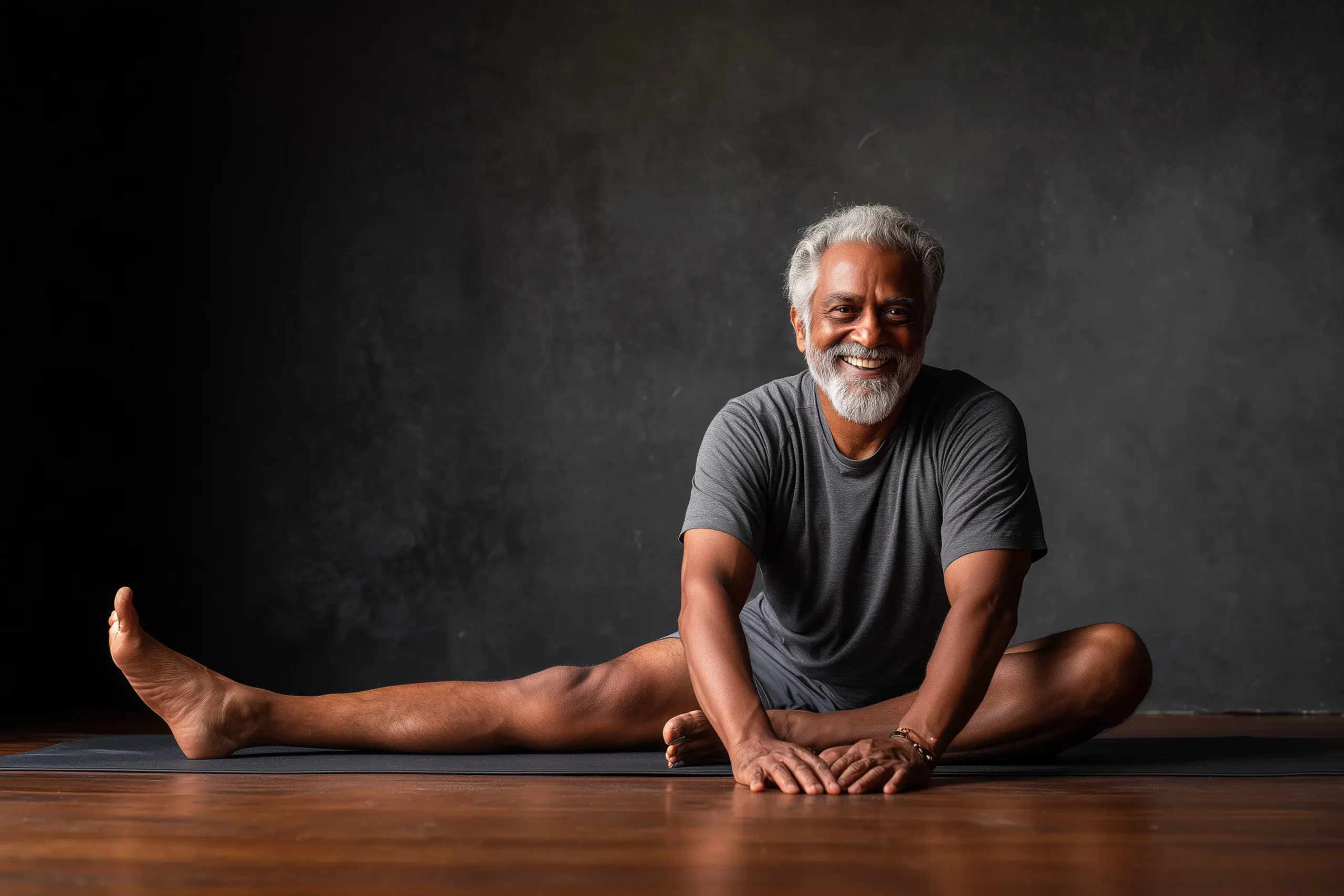
- Yoga: When you do some yoga poses daily it regulates movement of digestive waste, and strengthens the abdominal muscles. You can try:
- Vajrasana (Diamond Pose): Sit on your heels after meals for 5–10 minutes to aid digestion.
- Pawanmuktasana (Wind-Relieving Pose): Helps release gas and relieves pressure in the abdomen.
- Malasana (Squat Pose): Keeps the pelvic region flexible and reduces strain during bowel movements.
- Sarvangasana (Shoulder Stand): Improves blood flow and reduces pressure on rectal veins.
Are there any exercises which makes you get piles or increases your risk of them?
Surprisingly, yes! Activities which put pressure on the pelvic floor like heavy weightlifting, cycling for too long, and other forms of exercise that strains your abdomen and anal veins can raise the risk of piles. Thus, exercises are a must, but overstraining is a big no-no for preventing piles.
What is the best way to prevent piles?
The good news for most healthy adults is—piles forms based on the daily lifestyle choices we make. Since lifestyle plays the biggest role here, you can fully prevent piles by increasing fibre and hydration in your diet, regular and targeted exercising, and getting enough rest.
The start of your healthy journey is closer to you than you think. Come and consult with our expert dieticians, and specialists at Smiles gastroenterology centres, Bangalore. You would not have made a better choice for your colorectal health.


Dr. Pavithra A is a Senior Colorectal Physician at Smiles Institute of Gastroenterology with over 14 years of clinical experience. Specializing in conditions like piles, fissures, and fistulas, she is particularly recognized for her expertise in treating colorectal issues in women and during pregnancy. Based in Bangalore, Dr. Pavithra is known for her empathetic approach and commitment to providing ethical, patient-centric care for complex digestive and anorectal disorders.
- Dr Pavithra

- Dr Pavithra
- Dr Pavithra
- Dr Pavithra