

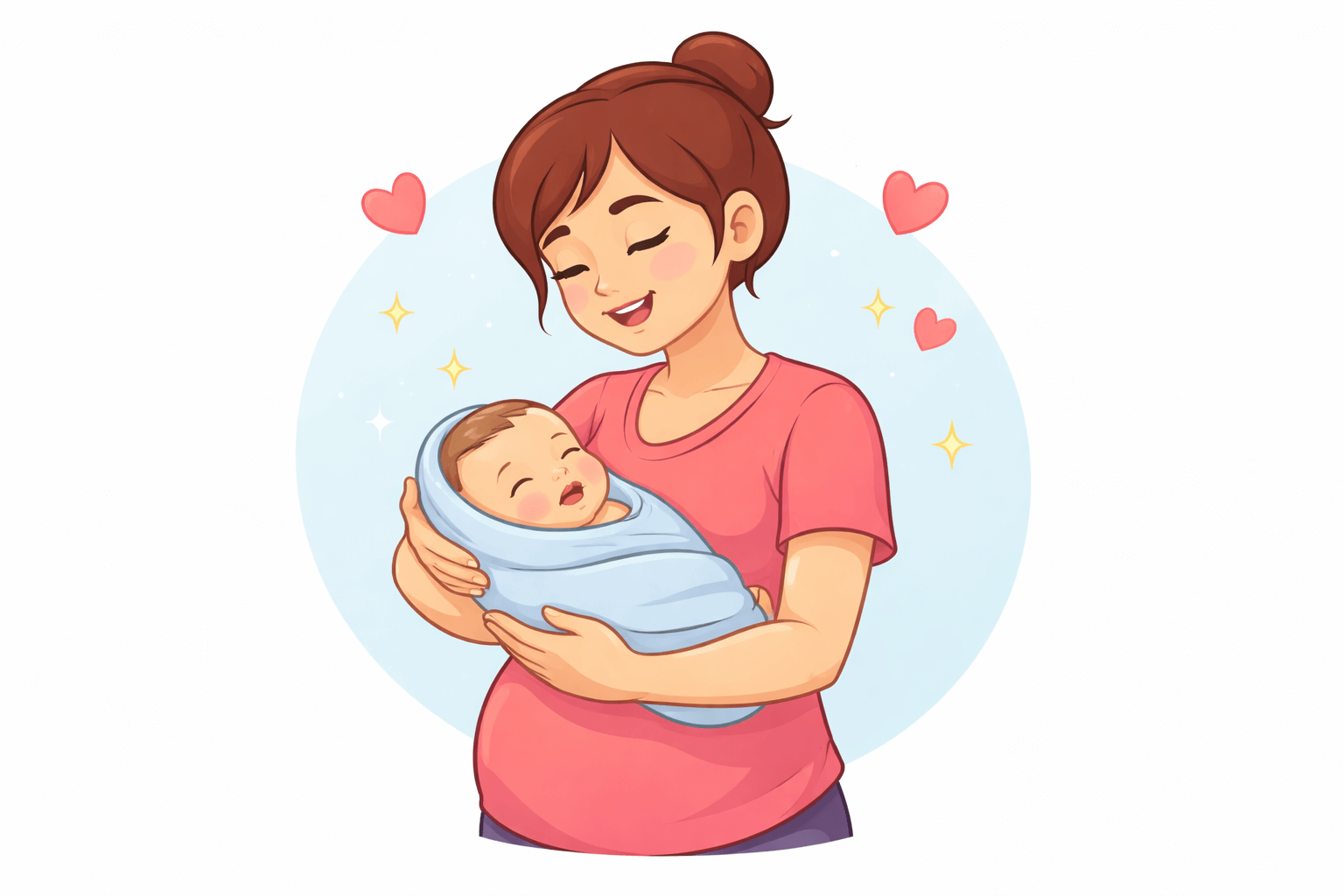
Piles are swollen veins in the rectal area which cause lots of pain when you put pressure, like when you sit or pass a bowel movement. In recent years, the number of piles cases are on the rise because of adopting unhealthy lifestyle practices and this increase is across age groups, gender, and irrespective of other health conditions. Pregnancy and child birth by nature are very intense on the body due to many physiological changes. This coupled with inadequate healthy eating or hydration can greatly contribute to formation of piles after pregnancy. The good news is, they can be managed as naturally as they occur. Read till the end to discover effective tips to manage piles after pregnancy naturally.
What Causes Piles Post-Pregnancy
Pregnancy is a period filled with significant physiological and hormonal changes in the body. there are quite a few reasons which makes you more likely to develop piles after pregnancy.
- Firstly, the growing baby puts significant pressure on the blood vessels including veins in the lower abdomen. One of them is called the inferior vena cava which carries blood from the lower body to the heart. Continuous pressure on this slows the blood flow which causes blood to pool in the rectal veins. This pooling makes them swell causing piles.
- A hormone called progesterone also increases to support the pregnancy process. This hormone also relaxes the veins in the abdominal area—which means they swell easily leading to pain under strain on them.
- This hormone also tends to slow down the food movement in the intestines—a primary cause of constipation (very hard poop). When you try to push out these hard stools, there is added pressure on the swollen veins resulting in intense pain and discomfort.
- Pushing out a baby during the labour is as intense as it is miraculous. But all the strain and pressure mean increased pressure on the anal veins. This can aggravate the existing piles and even form new piles after pregnancy.
- There is also more blood volume in the body to help the baby, more blood means increased work load for the veins making them enlarged and swollen.
Common Signs to Watch For
- Pain and discomfort are the primary symptoms felt in piles. Pain is intense and can be felt while you sit or specially while using the toilet. This pain is felt more in the anal area, and can be specially challenging for new mothers.
- Bleeding is another common symptom of piles. You will notice bright red streaks in the toilet, or on the toilet paper specially after a bowel movement. Bleeding is a common sign when the piles is completely inside the anus.
- Feeling lumps in the anal area. Piles are swells or bulges in the veins, and many a times you can feel them in the anal area. This is truer for external piles and sometimes when the internal piles hang out of the anus.
- Itching and irritation also occur largely, increasing the discomfort a lot.
- Sometimes, you will even feel like you have incompletely emptied your bowels (especially when you are having hard stools).
When to See a doctor
The good news is, most piles after pregnancy can resolve themselves with proper care and home remedies. But sometimes, you may need to see a doctor if you notice any of the below pointers:
- If you notice the pain persists or is severe even after home remedies like increased hydration, fibre, using OTC ointments or sitz baths.
- Bleeding may not always come from piles, specially if it persists for many days and even after using home remedies. A quick check with a doctor can rue out any other serious underlying condition.
- If you feel a hard lump around the anus (more than small bulges)—this indicates a thrombosed haemorrhoid (blood clot stuck in the swollen vein which is very dangerous).
- Any additional symptoms like fever and chills which tells about underlying infection apart from piles after pregnancy. While many women experience postpartum discomfort, understanding common piles symptoms—such as localized swelling, itching, or pain during bowel movements—is the first step toward finding effective relief and ensuring a smoother recovery after delivery.
Easy Home Remedies
Piles after pregnancy is a very normal and common occurrence. There are an equally common number of easy and effective solutions for improving the symptoms of piles right from the comfort of your home.
- Use sitz baths: sitting in a warm sitz bath improves blood circulation and speeds up healing. Using the sitz bowl with warm water thrice daily for about 10-15 minutes significantly improves the pain you feel just in a few days’ time.
- Try cooling packs like gel or ice packs to the area few times a day. This reduces the swelling and discomfort greatly.
- Increase your fibre intake, do this gradually as your stomach needs time to adjust back to normal settings. You can also ask your doctor for breastfeeding safe laxatives till you return to your normal fibre intake of 25-30 g a day.
- Increase hydration—this is especially important for breastfeeding mothers as there is a lot of outgoing of liquid from the body during feeding the baby. You can safely increase hydration from the first day itself with water, soups, milk, and juices to complete the 3–4 litres a day quota.
- Going to the loo as soon as you feel the urge will relieve a lot of strain and prevent hard stool formation.
- Kegel exercises work wonders for new mothers. You can do this exercise wherever you are, and do not need to use special poses for it. Here, you contract and relax your pelvic floor muscles (vaginal and anal muscles) for specific durations. It strengthens these muscles and helps them effectively push out the bowels daily.
Prevention Tips
Prevention is always better than cure. Using these tips right from your pregnancy will help in improving or may also eliminate piles after pregnancy.
- Aim for a full 25–30 grams of fibre intake daily. This will keep the bowels soft, and your tummy habituated to digesting this much fibre. This will come handy specially after pregnancy when your stomach is returning to normal.
- Drink at least 3 litres of water per day to help keep the bowels soft. Eating fibre without pairing it water just turns the poop into a hard block which would worsen chances for constipation.
- Keeping mobile and exercising throughout pregnancy helps a lot. This relieves stress, and boosts energy levels in addition to keeping the bowels moving actively.
- There are many pregnancy-safe stool softeners and bulkers which can be taken for keeping bowels soft. However, it is always best to ask your doctor which is most effective for your condition.
Piles after pregnancy is very rarely harmful and is are considered as a natural occurrence. The physiological and hormonal changes your body goes through naturally makes the anal veins swell resulting in piles. In addition, many lifestyle changes also increase their occurrence. However, they can resolve easily with following natural remedies. What is more, you can even effectively prevent their recurrence with the trusted and proven tips provided in this article.
And if it the condition still does not resolve, there is absolutely no need for worry. Smiles Gastroenterology centres are home to expert gastro and colorectal specialists with decades of experience in treating piles resulting from several conditions. Experts at Smiles hospitals, Bengaluru will personalise your treatments and give you safe and fast-acting treatment options for you, ensuring a comfortable recovery during this crucial period.
