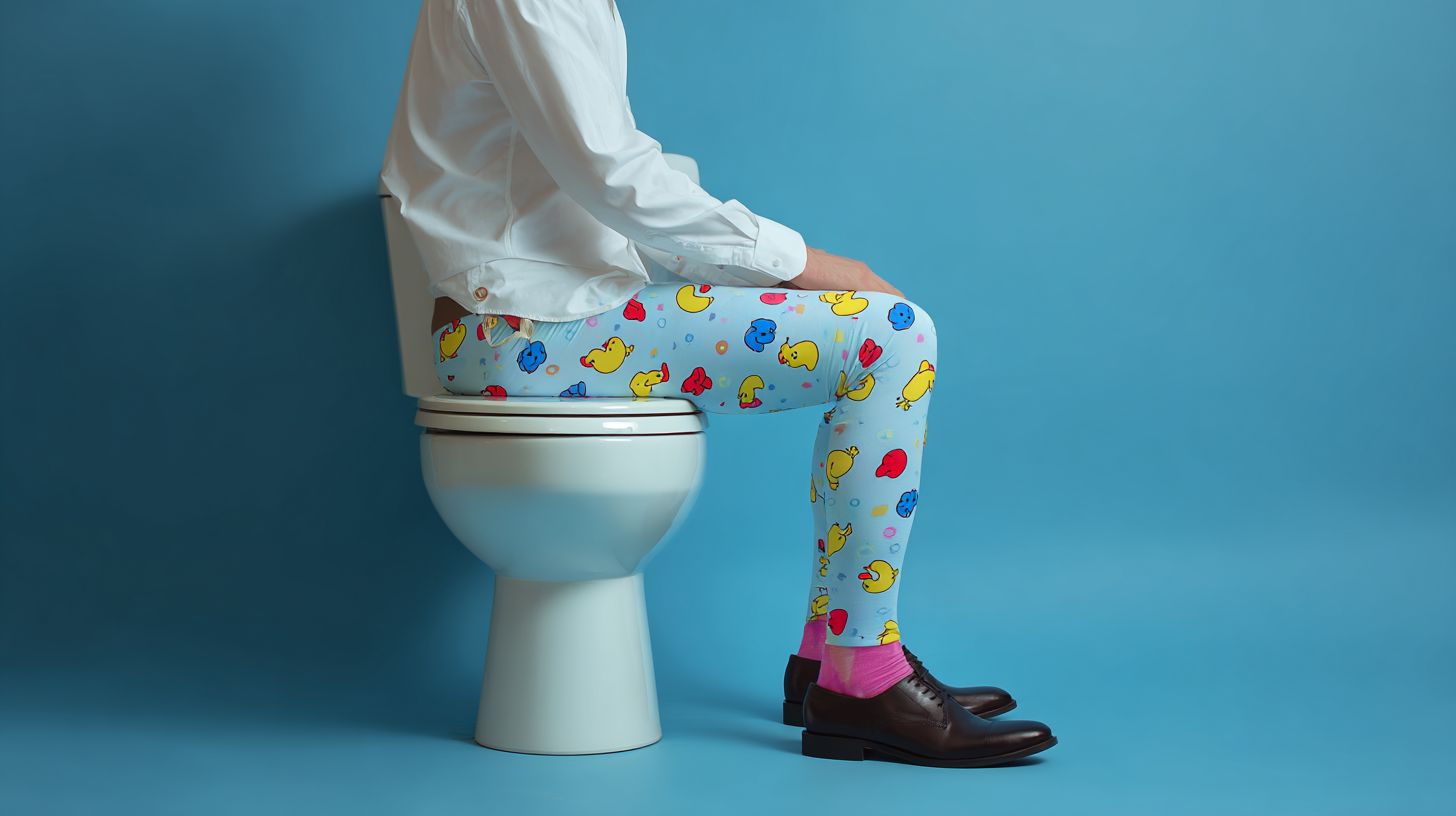
Childbirth brings with it a lot of physical and hormonal changes to the body. One of the common concerns among these is hemorrhoids, a condition where there are swollen veins in the anal area. There are so many causes of why a new mother can experience it, but fortunately, simple lifestyle choices can help avoid this condition. Let us understand how this condition may develop, and very simple but must-try care tips to help during the crucial post-partum period of a new mother.
What are postpartum hemorrhoids?
Hemorrhoids is a common condition, with about 40% of adults in India experiencing it. The symptoms are also equally common-you will feel itching, burning, or sharp pain in the anal area. Sometimes you may even see bright blood in the stools. All these happen because of swollen veins in this area. When this condition is experienced due to pregnancy and childbirth, it is called as postpartum hemorrhoids.
What causes hemorrhoids after childbirth???
The main cause is pressure on the veins in the anal area which can happen because of several reasons.
- The foremost reason for noticing hemorrhoids after childbirth is the intense process of labour. During labour, most women have to push for 20 minutes or more, causing a lot of pain and swelling on the veins.
- After birth, almost every new mom goes through fatigue, dehydration, and a big drop in sleep and all of this increases the chances of developing hemorrhoids even more.
- During the pregnancy, the weight of the growing baby puts pressure on the pelvic veins. There is slower blood flow due to this pressure causing them to swell.
- Many pregnant women also have constipation (hard stools) as a very common symptom. Constipation can happen due to the regular iron supplement prescriptions, hormonal changes, dietary changes during the pregnancy. When the expecting mother tries to push out the hard stools on a regular basis, the veins swell and pain.
Reliable ways to take charge and prevent hemorrhoids after childbirth
The good news is, there are several ways to prevent hemorrhoids after childbirth. But the most simple and best way is to remember to keep your stools soft. You can achieve this by following the below pointers.
What you can do right away
1. Eat a high-fiber diet:
There are many traditional foods around helping a new mother recover which are adhered to in our Indian families. Many of these include vegetables such as beetroot, carrot, yam and gourds- all which are very rich in fibre. Remember to try and include as much as possible of these veggies. You can try once cup with each meal you eat to reach your fibre intake for the day. Other fibre rich foods which can be included which would pass the Indian postpartum foods are ragi, red or brown rice, flaxseeds, nuts and dates.
2. Drink more liquids:
This tip is very commonly heard of, but is quite difficult to follow. Specially when caring for a newborn. But this is the time when a recovering mother needs more liquids. It can be in the form of water, whole fruit juices or even vegetable soups. Breastfeeding mothers can remember to meet their quota by drinking a glass of fluid every time you nurse your baby.
3. Don’t sit too long, use pillow while sitting:
Sitting for long hours can put additional pressure on the anal veins. So, try and lie down as much as possible, possibly even when you are nursing. You can also try using a pillow or a doughnut pillow while sitting. This has a hole in the centre to relieve some pressure off the veins in the anal area when you sit.
4. Apply ice:
Studies have shown that using cold gel pads during the postpartum recovery greatly reduced pain and increased comfort while sitting and using the toilet. These gel packs are easily available in any pharmacies, supermarkets or online shops. You can alternatively try wrapping ice in cloth and using it for 20-30 minutes to help relive the pain and itching caused by hemorrhoids.
What you can ask the doctor before doing:
- Stool softener: These are powders or syrups which are concentrated in their fibre content amongst other laxatives in their formula. However, during the postpartum period or during breastfeeding, it is always best to consult with your doctor for their safety and dosage. Do not hesitate to ask for it, there are many stool softeners which are pregnancy and breastfeeding safe.
- Walk for 10-20 min or exercise: Walking for even as less as 10 minutes can stimulate your intestines to move and push the bowels. If the bowels don’t move inside, they harden up and ultimately result in constipation. Remember to walk for 10-20 minutes even if it’s inside the house.
Exercises can be safely done after a couple of weeks of giving birth. But the start period is best decided by a doctor after assessing the progress of healing. Ask your doctor at the earliest when to start the exercises, the movement exercises support efficient bowel movements inside to keep the stools soft.
Know more today to smartly dodge hemorrhoids
The timeless proverb prevention is better than cure stands truer than ever. The postpartum period must be encouraged to be a relaxing and healing period of every new mother. Not having to deal with hemorrhoids during this recovery phase will help keep it comforting.
By following simple steps during pregnancy itself such as regularly keeping up the fibre and water intake, moving/exercising as much as safely possible will encourage soft stools in spite of the constant pressure of the growing baby or taking regular iron supplements.
Following the pointers mentioned in this article such as keeping up the veggies and liquid intake, using doughnut pillows, walking can greatly help in preventing hemorrhoids even after the labour process.
However, if you need to supplement your efforts with laxatives or pain medications, our doctors at Smiles Gastroenterology centres, Bengaluru are always there to help. Whether you’re unsure about the right amount of fibre, the safest medications, or the ideal physical activities during this delicate phase, our experts will guide you with personalised care. Visit Smiles Hospitals and let our specialists help you in this crucial period with confidence and comfort.

Dr. Parameshwara CM is a global authority in Coloproctology and the visionary founder of SMILES Hospitals, with an extraordinary track record of over 50,000 successful surgeries. A true pioneer in the field, he was the first to introduce Advanced Laser Piles Treatment and sophisticated procedures like LIFT, VAAFT, and STARR to Karnataka, revolutionizing the way digestive disorders are treated. He combines surgical precision with state-of-the-art laser technology to offer bloodless, minimally invasive solutions. Call us: +9108099008800 for further help.
- Dr Parameshwara CM

- Dr Parameshwara CM
- Dr Parameshwara CM
- Dr Parameshwara CM