Haemorrhoids is a medical term for swollen veins in the rectum and anus. In everyday language, it is termed as piles, and is a very common condition experienced by at least 50% of the adult population.
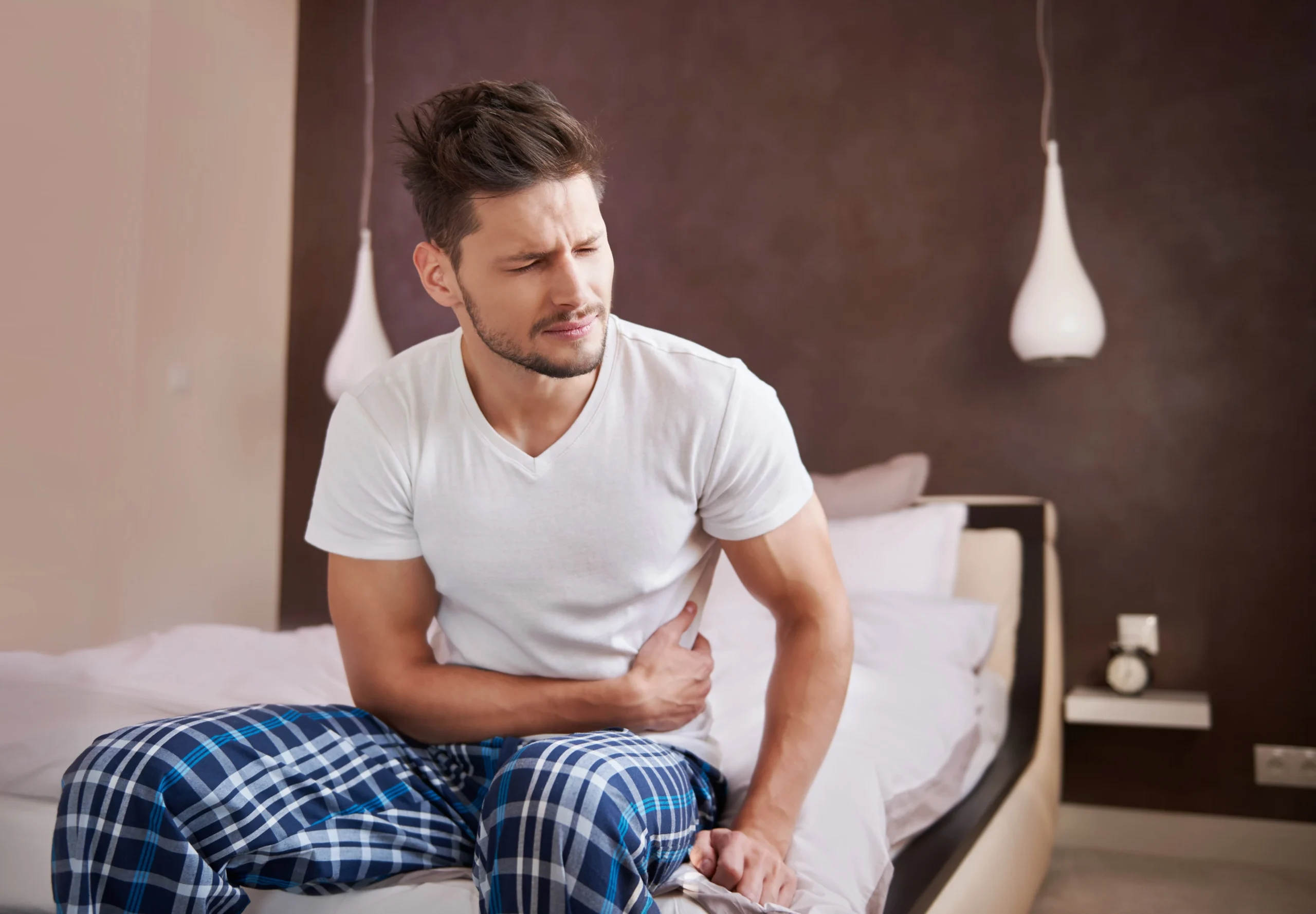
Piles would feel like itching, irritation, and pain in the anal regions. You would feel this as an intense pain while passing stools, but it can also be felt as a dull throbbing pain whenever you sit too. Living with piles can overtime become a literal pain in the behind. It also naturally brings up many questions. This article addresses these queries in an aim to improve your quality of life.
While managing the condition effectively requires professional guidance, understanding the various piles symptoms is the first step toward regaining your quality of life and ensuring that discomfort or bleeding does not prevent you from maintaining a healthy, active, and completely normal daily routine.
How to live a normal life with haemorrhoids?
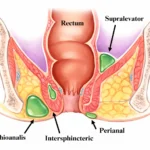
Piles are formed in the anorectal or the ending segment of the long intestine. Anus is the opening through which solid waste/stools come out, while rectum is just above the anus, and is inside the body. These two parts functions to push the stools out.
When stools are soft, you need not strain to pass them out, which means the veins in these parts remain their normal size. But in case of hard stools, you would pass them with considerable strain, which makes the veins swell. Consistently hard stools, and repeated straining, pushes these veins out of the anal hole as small bulges or piles.
Living a normal life with haemorrhoids/piles is completely possible. Lifestyle remedies such as increased fibre intake, adequately drinking water, and exercising daily, greatly help in forming soft stools. Soft stools are the key to keeping piles away.
However, living a normal life with haemorrhoids also depends on how their severity.
If you are having stage 1 & stage 2—the starting stages piles:
- It is easy to live a normal life with piles at these stages.
- Lifestyle remedies significantly help reduce the piles naturally. With diet, water, and exercise, majority of stage 1&2 piles go back to normal.
- Sometimes you may need the help of sitz bath, or stool softener syrups. These are the only extra remedial steps needed to help live with starting stage piles.
- Consistently following these lifestyle remedies will ensure no more repetitive episodes of piles.
If the piles have progressed to stage 3 and stage 4, the external lump will remain as such.
- Piles in these stages are called prolapsed haemorrhoids.
- Here, the external lump is easy to push back, but remains mostly out of the anal hole.
- Repetitive straining when you have prolapsed piles can cause bleeding, intense pain, severe itching, and irritation.
- Living a normal life with prolapsed piles is possible after knowing the following points:
- Remedial actions like high fibre diet, and adequate water will only help to significantly reduce/ stop the pain, and itching you feel when you pass stools.
- Chances of piles flare ups become easier in these stages, because of the prolapsed haemorrhoid.
- Despite all remedial action, the bulge/swelling will remain as such—although it may not pain or cause any discomfort in daily life.
How long do piles last?
In general, there is no exact duration for piles. Small or starting stage piles clear up within just a few days. Large external haemorrhoids may take longer to heal and cause significant pain and discomfort.
How long piles last depends on several different factors, and conditions.
- The time over which the piles are formed:
- Acute piles: lasts for mostly just a few days, and is caused by a one-time event which creates temporary strain (e.g., a bout of constipation or heavy lifting).
- Chronic/recurring piles: for majority of adults, piles is a long-term issue. The symptoms seem to resolve, but flare-ups happen every few months due to persistent unsupportive lifestyle habits.
Remedies used:
- Natural remedies: lifestyle changes like a high-fibre diet, and water can cure starting stage piles, so it lasts for just about 7–10 days. However, for prolapsed piles, they help only with symptoms like pain and burning, while the actual piles/bulge lasts for 3–4 weeks before resolving naturally.
- Non-medical interventions: there are many other general interventions like using a sitz bath, stool softeners, non-allopathic medications like using triphala powder which can speed recovery from piles. Using these methods along with good diet and hydration, the piles last only for about 3–4 days. You can even notice the changes from day 2 onwards!
- Medical interventions: many procedures exist nowadays which are quick and easy for a colorectal expert to perform. In the rubber band ligation, the pile typically withers and falls off within 1 week; sclerotherapy/laser, the shrinkage usually happens over a few days to 2 weeks, whereas for surgeries like haemorrhoidectomy the initial pain lasts 1 to 2 weeks, while full internal healing takes 4 to 8 weeks.
- General healing time: depending on the severity, the piles can last for different time.
Minor Flare-ups: Small internal or external piles usually resolve on their own within 3 to 7 days.
Larger or Irritated Piles: These may take up to 2 weeks to shrink back down with home care (high-fiber diet, hydration, and sitz baths).
Thrombosed piles: If a blood clot forms in the pile, the intense pain usually is there for 48–72 hours, but the lump may take 2 to 3 weeks to fully disappear.
How to get rid of piles permanently?
- The major cause of piles is lifestyle factors such as eating refined foods low on fibre, not drinking enough water, and sedentary activity.
- They result in hard stools and chronic constipation. Straining to push out these stools makes the veins in rectum and anus swollen and irritated.
- The way to get rid of piles permanently is simpler thank you think. It is mindfully following the so called ‘boring habits.
- Think clean, healthy, high-fibre diets: the most obvious way is to minimize ultra-refined foods. But apart from just junk foods, diets like keto, Atkins and paleo sound all trendy, but are low on fibre foods. They risk constipation.
- Up your liquid intake: bored of just water? Consider healthy whole vegetable & sprout soups, whole fruit juices without sugar, and other drinks like chaas, and lassi.
- Use yoga poses: like supine twist, matsyasana twist, crescent twist, wind-relieving pose, and child’s pose. Add them to your daily exercise list.
- Consider getting doctor recommended procedures: most advanced procedures for piles nowadays are performed as outpatient procedures, meaning you get home the same day itself. Getting the procedures done for advanced stage piles, helps to avoid future flare ups and pain.
Ultimately, the way to get rid of piles permanently, is most importantly consistency in making these above habits a part of your lifestyle.
Some Do and don’ts in piles
| The focus | Do | Don’ts |
| Diet | Eat high-fiber foods like whole grains, beans, fruits, and vegetables to soften stool. | Avoid low-fiber foods like white bread, cheese, meat, and processed snacks—they result in hard stools. |
| Hydration | Drink plenty of water (8-10 glasses a day) for the fibre in stools to become gel like and make stools soft. | Reduce caffeine and alcohol—these dehydrate the body. |
| Bathroom Habits | Go as soon as you feel the urge. Delaying makes stool harder and drier. | Do not sit for too long on the toilet reading or using mobile phones. It increases pressure on the veins. |
| Movement | Exercise regularly (like walking) to improve circulation. It stimulates the natural peristalsis movement of the intestines. | Avoid heavy lifting which increases pressure on the veins. |
| Hygiene | Take “Sitz baths” (soaking the area in warm water for 10–15 mins) to soothe irritation. | Avoid dry or rough toilet paper. Use wet wipes to clean the area gently. |
| Posture during toilet use | Use a small footstool to elevate your knees while on the toilet. | Do not strain excessively, or manually push out stools. |
| Medication | Use over-the-counter creams or stool softeners. | Do not ignore persistent bleeding or severe pain. Also do not overuse stimulant laxatives without advice. |
How long can a person live with haemorrhoids?
A person can live with haemorrhoids for most part of their lives. Piles is rarely a serious or life-threatening condition.
- They are like varicose veins; except they occur in the rectal and anal parts.
- They are also benign (unlike cancer), and can remain as is without interrupting functioning of the body part.
- Once a haemorrhoid has been formed, even after recovery, they may be prone to swelling. Many people live with “piles” for decades; only the symptoms flare up occasionally.
- However, living with untreated piles can lead to daily discomfort, hygiene challenges, and in rare cases, anaemia from the recurring blood loss.
- While it is rarely life-threatening, there are many modern medical treatment options, which ensure that you do not have to face the discomfort in your daily life.
Do haemorrhoids affect quality of life?
Yes. Having haemorrhoids affects the quality of life in many aspects. There are many research studies to indicate that having active or recurring piles symptoms can significantly affect:
- The general quality of life.
- Sleep: people having stage 3 &4 piles were shown to have poor sleep patterns due to the dull throbbing pain.
- General social anxiety: to attend events due to fearing flare-ups, and having to deal with pain and itchiness.
- Low focus on work: it is quite difficult to concentrate on a document, especially when you feel you are sitting on a cactus.
- The silent mental trauma: many people find it hard to ask for help because of a natural weirdness around this subject. Long term piles increase anxiety because the person feels isolated or embarrassed by their body.
Even though all the above are very natural feelings, you do not have to suffer alone. An entire host of expert colorectal consultants await you at Smiles Gastroenterology Centre, Bengaluru. Having a very patient-centric approach, they understand privacy is of utmost importance. With empathy, expertise, and the latest technology you will be beaming with a smile after your very first consultation.

Dr. Parameshwara CM is a global authority in Coloproctology and the visionary founder of SMILES Hospitals, with an extraordinary track record of over 50,000 successful surgeries. A true pioneer in the field, he was the first to introduce Advanced Laser Piles Treatment and sophisticated procedures like LIFT, VAAFT, and STARR to Karnataka, revolutionizing the way digestive disorders are treated. He combines surgical precision with state-of-the-art laser technology to offer bloodless, minimally invasive solutions. Call us: +9108099008800 for further help.
- Dr Parameshwara CM

- Dr Parameshwara CM
- Dr Parameshwara CM
- Dr Parameshwara CM