

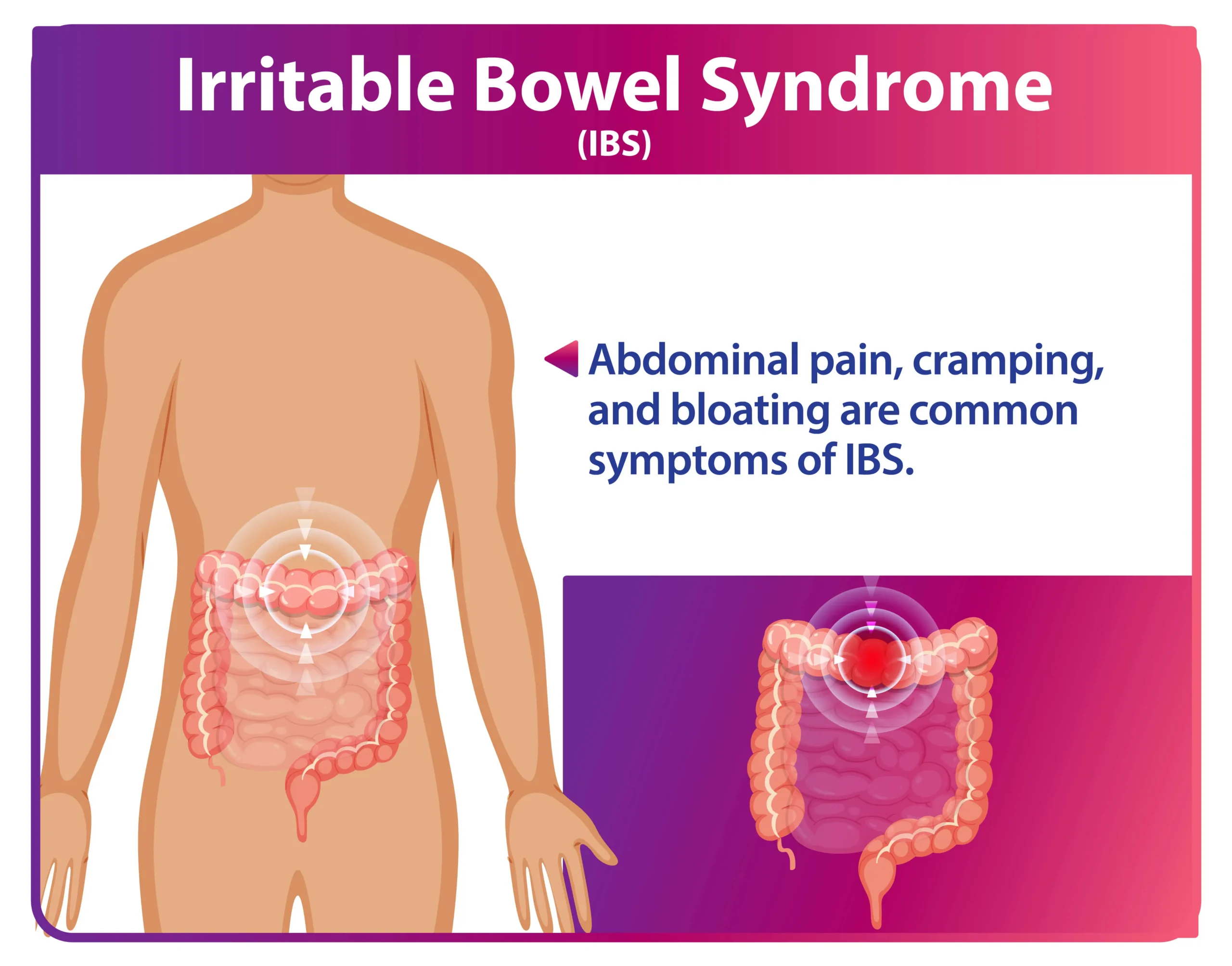
IBS or irritable bowel syndrome is no longer just another imaginary ‘feeling.’ Long before it was formally identified, the excessive bloating and pain felt from IBS were thought of as just some off days, that maybe it was something you ate or drank. But now, it is well recognized in the medical field as a syndrome—when a group of symptoms consistently occur together. Nowadays, a good gastroenterologist can easily identify its symptoms and even give you solutions to help you through this tough time. It is very natural to worry about if IBS will ever go away. Read on to know more about IBS, and if you can tide it over easily.
Why does IBS suddenly start?
Let us go back to the beginning. You would have felt bloating, abdominal pain, fatigue, and changes in stool consistency over stretches of weeks. It would seem like it has started suddenly as if you ate something bad, but the symptoms do not end as soon.
Although the exact cause for IBS is still not clearly understood, doctors and researchers have jotted it down to a couple of reasons like sudden stress or changes in your personal, work, or even social life, hormonal or age-related changes, development of dietary intolerances, changes in the way your gut moves, and even gut infection. So, as you can see, it feels like anything can trigger IBS.
However, sudden onset of IBS is generally due to the below four reasons:
- Post infection: An episode of viral or bacterial stomach infection or food poisoning can trigger IBS even after the infection is cured. your immune system stays on alert, and can react to even harmless, and clean food. This causes persistent inflammation in the gut, making you feel bloated and in pain for a longer time.
- Changes in your gut microbial population: Also called your gut microbiome, it is unique to every individual and is largely composed of different types of helpful bacteria. A sudden shift in the balance of these different sub-populations of bacteria can cause major changes in the way your food is digested. These digestive changes can be experienced as sudden and prolonged flatulence, stool consistency changes. Excessive flatulence can also manifest as abdominal pain.
- Changes in gut movement: The way you gut moves is referred to as gut motility. It needs to be motile for pushing food as it gets digested to form poop. This prevents stagnation and hardening of stools. Sometimes, the gut muscles change their movement for reasons unknown. Some triggers like hormonal fluctuations, and changes in physical activity are guessed to cause this. Your gut motility can become
Hypermotile: This makes digested waste move faster, resulting in diarrhoea.
Hypomotile: When the gut contractions slow down significantly, it can cause stagnation and thus, constipation.
- Increased permeation in the intestines: This is often referred by doctors to as the leaky gut syndrome. It is when your intestinal lining becomes more permeable and allows food particles or toxins from inside to outside of your gut. When the outside of your gut sees food particles, it identifies it as foreign material so your body reacts with an immune attack. This localized immune response results in sudden bloating, gas, and discomfort.
Can IBS cause lower abdominal pain?
Yes. IBS has many symptoms it is identified and defined with; persistent and chronic lower abdominal pain is a prominent one. IBS is a syndrome associated with the gut, and involves changes to your digestive system. The nerve endings in the digestive tract also may be more sensitive to pain during stretching and contractions. Increased gas formation can stretch to trigger these nerve endings and cause intense pain. If emotional stress is one of the causes of IBS in your case, it can also intensify the way the pain signals are felt.
The differences in between the abdominal pain of different IBS types are not well known, but IBS lower abdominal pain has a few distinct tell-tale signs. Here are some characteristics of IBS abdominal pain:
Occurrence of abdominal pain:
- IBS abdominal pain occurs at least one day in a week, and this pattern lasts for several months.
- It can come and go, but seems worse after meals.
Most common description of IBS abdominal pain:
- Sharp or stabbing pain
- Cramping
- Pain accompanied by bloating and discomfort.
Other distinctive characteristics:
- Often occurs in the lower abdomen
- Mostly feels better after passing stools
- Severity ranges from mild- to severe and interferes with daily life.
How many times do people with IBS pass stools in a day?
The answer to this varies, as IBS is a broader term which is of three types. These types are based on the consistency of stools rather than the frequency experienced. Based on this, there are three types of IBS: IBS-D type, IBS-C type, and IBS-M type.
IBS-D type is IBS diarrhoea type. In this, individuals face bouts of intense diarrhoea along with other IBS signs. If you fall in this category, you would feel the need to pass stools more than 3 times per day. Patients also experience extremely watery stools more than 25% of the time.
IBS-C type: This is characterized by infrequent bowel movements. Individuals get the feeling of incomplete emptying of bowels, along with hard and lumpy stools. Bowel movements in IBS-C happen typically lesser than 3 times in a week.
IBS-M type: Here, individuals experience both diarrhoea and constipation alternately. Loose stools are observed at least 25% of the times bowel movements happen.
Can you recover from IBS?
IBS is a chronic condition, with each episode lasting for weeks after triggers. Optimum digestion and excretion are one of the most vital functions of the body. Hence, anything like IBS can naturally seem like it is going to majorly affect the quality of your life. However, know that many people experience long-term remission, where symptoms become so minimal they no longer interfere with daily life.
Recovery from IBS nowadays has an exceedingly positive outlook. However, all roads to IBS recovery happen only after identifying your triggers, be it physiological, physical, dietary, or lifestyle triggers.
Some science-backed and proven pointers for overcoming IBS symptoms.
- Identify Your Specific Triggers: Every individual’s gut microbiome is unique. Thus, what causes to get it out of shape are also different. What works for one person may not work for you. A simple way to know what works for you is to keep a Food & Symptom Journal. Track what you eat and how you feel 2-4 hours later. Also rigorously note down any specific changes which you are experiencing, be it in physiological, physical, dietary, or lifestyle aspects. At times what you may think to be a minor factor can be the major turning factor. A good professional healthcare provider can easily identify what may seem unnoticeable to you.
- Address the Gut-Brain Axis: Your gut is lined with neurotransmitters which respond very efficiently to brain signals. Thus, your mental state directly impacts gut motility. Calming the brain by using stress management techniques like meditation and diaphragmatic breathing (deep belly breathing) can physically signal the vagus nerve to make the body go into rest and digest mode. This has shown to remarkably help in easing digestion and help it become optimally functioning.
- Focus on calibrating your fiber needs: Fiber is essential for gut health, but the type matters immensely for IBS recovery. Foods like oats, psyllium husk, or softened carrots form a gel that can soothe the gut lining and regulate both constipation and diarrhoea. On the other hand, raw leafy greens or skins of fruit can sometimes be a bit rough on a sensitive gut; so, cooking these vegetables thoroughly can make them much easier to tolerate. Again, remember to try either version and note down how your stomach processes them. This will help immensely in narrowing down what to avoid to overcome IBS.
- Optimize Eating Habits: How you eat is as important as what you eat. Eating large meals can stretch the gut wall, which can trigger pain or cramping. Chew thoroughly as your saliva contains enzymes that start breaking down carbohydrates before they even reach your stomach. Ensure consistent water intake, especially if you are increasing fiber, to keep the digestive tract moving smoothly.
- Professional Medical Support: Sometimes, IBS is a symptom of an underlying, treatable issue. A condition called Small Intestinal Bacterial Overgrowth (SIBO) can mimic IBS and is often treatable with specific medicines. Low Vitamin D or B12 can also sometimes correlate with gut dysfunction.
What calms down IBS?
Calming an IBS flare-up involves a mix of techniques to soothe the physical and nervous system to reduce the signals sent for gut sensitivity.
1. Heat Therapy: Apply a heating pad or hot water bottle to the lower abdomen, this is one of the most effective ways to calm the pain and bloating. Heat increases blood flow to the area and helps the smooth muscles of the gut relax, which can stop painful spasms and cramping.
2. Gut-Friendly Sips: Certain herbal teas can act as natural antispasmodics (substances which can reduce or stop muscle spasms). Some of them are:
- Peppermint Oil or Tea: Peppermint contains menthol, which has a cooling effect and naturally relaxes the muscles in the digestive tract.
- Ginger: Ginger helps move food through the digestive system and hence, reduces bloating and nausea.
- Fennel Seeds: Chewing on a teaspoon of fennel seeds after a meal can help dissipate gas and reduce trapped air pressure in the intestines.
3. Diaphragmatic Breathing: Since the gut is controlled by the autonomic nervous system (part of your nervous system which does things without you putting in voluntary effort), deep breathing acts as a manual override switch. Place one hand on your chest and the other on your belly. Breathe in slowly through your nose so that only your belly moves out. Exhale slowly through your mouth. This stimulates the vagus nerve, which shifts your body out of stress mode in the gut and into digestive mode, thereby calming urgency and cramping within minutes.
4. Gentle Movement
While intense exercise might be the last thing you feel like doing during an episode of IBS, light movement can help.
- Walking: A gentle 10–15 minute walk helps move gas through the intestines and stimulates natural contractions.
- Yoga Poses: Poses like Child’s Pose or Knees-to-Chest (Apanasana) are specifically designed to relieve abdominal pressure and encourage the passage of gas.
5. Adjust Your Fiber Intake: During an active IBS episode, your gut is sensitive to fiber roughage. To tide over the episode, choose soluble over insoluble fiber. Switch to soft foods like white rice, peeled and cooked carrots, or bananas. These are easier for the gut to process than raw salads, nuts, or seeds, which can irritate an already inflamed lining.
The question “Will IBS ever go away?” does not always have a simple yes or no answer due to its complex nature. However, the reality for most is, it is a journey toward long-term management of the symptoms rather than a quick fix. By identifying your unique triggers, using a personalized nutritional plan for your symptoms, and utilizing modern therapeutic strategies, you can reach a point where IBS no longer dictates your daily schedule. At Smiles Gastroenterology Centre, Bangalore, top-class dieticians and expert gastroenterologists are dedicated to helping you recover from this chronic discomfort to find effective and lasting relief. You do not have to navigate this path alone; with the right professional support, better gut health and renewed confidence is easily within reach.
