

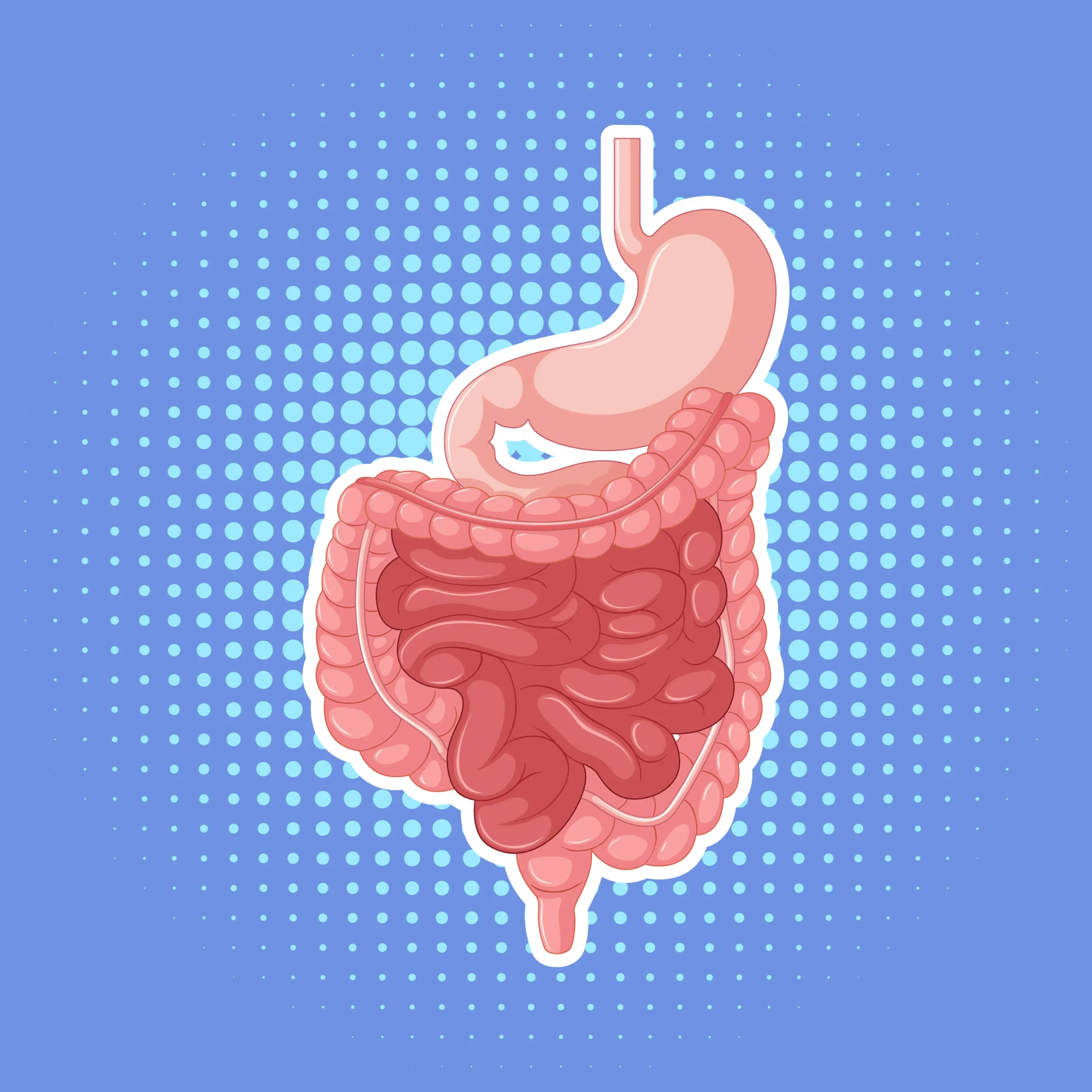
There is a well-known saying in the medical community “your gut is your second brain.” A few years back, the gut was thought to just digest food. However, there are more studies than ever which show that your gut functions beyond just moving your food. In fact, it has been shown that it talks a lot to your brain, and this crosstalk controls most of the behaviour of your body. Right from your sleep and moods, how active you feel on any given day, and how efficiently your brain can function—all can be traced back to how healthy your gut is. Read till the end to know how to fix your gut health, with simple, natural, and doctor-approved effective tips.
What are the symptoms of an unhealthy gut?
The first step to knowing if your gut is at optimal health, is understanding how it feels when it is not functioning properly. Understanding the ‘wrongs’ like bloating or brain fog, is the first step toward knowing the ‘rights’ like your energy back.
How to know if your gut is unhealthy or is not up to its full potential:
- Having frequent digestive issues: If you consistently experience either hard constipated stools or the watery diarrhoea type, and often feel nauseated or bloated. In majority of the cases, these are the first signs a gut shows when in crisis. Stools are a direct indication of the digested waste, which means if the digestion is not optimal, stools lack a soft, gel-like consistency.
- Feeling fatigue and sleepy through the day: Serotonin—a hormone very well heard of, is produced majorly in the gut and regulates your sleep and mood. Poor gut health can impair nutrient absorption and reduce serotonin production, which can in turn cause insomnia and low energy.
- Unexplained weight changes: Experiencing either weight loss or gain, even when there are no changes to the diet is another sign of poor gut health. These changes often result because of nutrient malabsorption when the gut does not function optimally.
- Sugar cravings: Increasing refined sugars in your diet can increase the population of bad bacteria in your gut. This imbalance can lead more sugar cravings needed for the bad bacteria to survive, making you in turn crave more sugary foods.
- Heartburn and Acid Reflux: Frequent burning sensations in the chest or throat can at times be linked to an overgrowth of certain bacteria or low stomach acid.
- Skin Irritation: Conditions like eczema, or acne can often be due to a leaky gut, where certain proteins leak into the bloodstream and cause systemic inflammation.
How do I detox my gut?
- Your gut is home to almost a 100 trillion microbes, most of which are bacteria. These bacteria help very significantly with digestion, nutrient absorption from the food you eat.
- The nutrients they release from the food, helps to contribute majorly to overall body functioning.
- There are several studies which show the huge importance of why your gut needs these bacteria, and their positive impact on overall body functioning like heart health, brain health and cognitive efficiency, immune functioning, and metabolic health.
- But there is a catch here. Your gut also allows bad bacteria to grow. Unlike the good bacteria which help maintain an optimal body health, bad bacteria grow majorly on sugary substrates, and hamper body health by reducing nutrient availability to help it function.
Scientifically backed, step-by-step protocol to fix your gut: Natural and long-lasting.
- Given all the above pointers, the first step to fix you gut will be to flush out the bad microbes, in order to give space and resources for the good bacteria to grow and flourish.
- A helpful point to remember here is that your gut detox should be considered more of a consistent routine rather than a one-time flushing activity. Focus on reducing the stressors which are affecting the good bacterial population, and increasing nutrients which can help your gut repair itself.
- Some evidence-based and effective ways to detox your gut:
- Remove all stressors: Diets high in sugars feed bad bacteria and yeast. Emulsifiers in refined foods damages mucus layer of the gut. Not all food intolerances show up in a significant way, but can be nevertheless affecting you as they can cause bloating, and indigestion at small but bothersome levels. Identifying and eliminating all the above food types helps as a strong starting step to fix your gut.
- Focus on helping the good gut bacteria: Fibre is the major fuel for good gut bacteria. But just eating foods like fruits, vegetables, and whole grains will not help. You need to eat fermented foods like yogurt, buttermilk, or overnight kanji. These have ample quantities of the good gut bacteria, which can go directly settle in your digestive tract. Once they settle in your intestines, you must support their growth and numbers by regularly consuming naturally fibre rich foods like cabbage, gourds, and all fruits.
- Improve dietary planning: Habits like chewing slowly and thoroughly make a huge difference in the way your body gets access to what you are eating. your saliva has enzymes which break down carbohydrates, making it easier for your small intestine to digest and absorb all the nutrients.
Another dietary activity—intermittent fasting, has been shown to have vastly positive effects on your body, and can majorly support the gut region. Taking a break from eating for 12–14 hours every day, gives your gut rest from its digestive function. It also allows your gut to clear out undigested food and stop bacterial overgrowth.
- Giving proper rest with alignment to your circadian rhythm: The circadian rhythm is what helps your brain and internal organs understand which functions should be done during the day, and which at night. During the day, your body automatically increases your digestive ability, your movements, and keeps you awake and alert. At night, your body knows it is time to shut down—there is slower digestion, and the body focuses more on repair and rest.
Supporting these functions by eating nutrient rich food during the daytime, avoiding eating after 7 at night, and consistently doing at least 30 minutes of exercise during the daytime, can greatly help your gut region to be in optimal health.
What foods heal your gut?
When you consistently follow the above four steps, your gut naturally starts getting rid of accumulated toxins, and begins to focus on repairing itself.
- At this point, focusing on eating more of natural foods speeds up helping your gut repair.
- It is natural to assume that eating fiber daily is enough to heal the gut. While this is true, also remember that you will feel the maximum benefit of fiber when you pair them with probiotics for live microbial support.
- A simple formula: prebiotics (fiber rich foods which feed the good microbes) + probiotics (live microbial fermented foods) = a strong, healthy gut.
- The best foods for gut health are:
1. Top prebiotic foods for your gut:
- Onions & Garlic: These are rich in natural sugars like inulin and fructooligosaccharides (FOS), which feed good gut bacteria. Raw onions in salads (kachumber) are a very effective way to feel their benefits in a tasty way.
- Bananas (Unripe/Raw): this unassuming fruit, when eaten as the raw curry banana or the semi ripe fruit is contains resistant starch and inulin, which support the growth of good bacteria.
- Lentils & Pulses (Dals): A staple in Indian meals, they are packed with resistant starch and soluble fiber that gut microbes thrive on.
- Chickpeas (Chana): this category is a double bonus—rich in complex carbohydrates (for feeding gut microbes), and protein (needed for body functioning).
- Oats & Whole Grains: in semi-cooked or raw form (like muesli), they are excellent to keep the microbes happy.
- Beetroot & Carrots: These root vegetables contain fiber that benefits gut bacteria and supports gut health.
- Green peas, cabbage, and pumpkin: all excellent sources of fibre to add in your daily meals.
2. Top probiotics for your gut:
- Curd (Dahi): A staple containing Lactobacillus and Bifidobacterium to improve digestion and boost immunity.
- Idli and Dosa: A fermented blend of rice and urad dal that is easily digestible and enhances microbial activity.
- Traditionally made dhokla: made from besan which is packed with protein, this dish when made traditionally with fermentation is an excellent way to start your day healthily.
- Overnight rice: when leftover rice is soaked in water and stored at room temperature, it makes for an excellent substrate in which has ample good gut bacteria in it. Bonus points if you soak the rice in curds and keep it overnight.
- Traditionally made pickles: when pickles are made in the traditional way which is ready to eat only after several weeks of storage, it is a powerhouse of beneficial bacteria. The storage time helps growth of ample good microbes needed for your gut.
All of these food types are commonly used in Indian cooking and can be easily found in your nearby grocery shop.
What drink heals your gut?
Stomach feeling too heavy, and bloated? Feel that you would be better off to fix your gut starting with a light but healing gut drink?
Below are some wholesome drinks just aimed for your gut. Aim to drink them consistently for quick but long-lasting results.
- Chaas (Buttermilk): A quintessential probiotic drink which no summer is complete without. Fermented buttermilk is packed with healthy bacteria, making it exceptional for easing bloating and helping digestion after heavy meals.
- Kanji: A tangy, fermented beverage usually made with black carrots or beetroots, mustard seeds, and water. It is simple to make and looks like water, but offers a powerful mix of probiotics and antioxidants.
- Ragi Ambali: A fermented finger millet drink, it is known for being a probiotic-rich, high-fiber, and naturally alkaline (to neutralize acidity in stomach) breakfast beverage.
- Tanka Torani: A traditional, probiotic-rich drink often made from fermented rice, water, and curd. It is popular for helping in cooling the stomach.
- Jeera and Ajwain Water: It is also known as Kashay/Kashayam. Jeera and/or ajwain water helps stimulate digestive enzymes, reduces bloating, and aids digestion, especially when drunk warm.
- Ginger Water: A warm drink that can remove nausea and accelerate digestion in minutes.
- Aam Panna: A tangy, raw mango beverage that aids digestion and provides electrolytes in the summer.
As you can see, the ingredients for these healing drinks are already available in any Indian kitchen. Whether it’s a refreshing glass of Chaas or a warm mug of Jeera water, these small additions can make a massive difference. So go ahead, pour yourself any one of these gut healing healthy drinks. Whichever you choose, remember consistency over intensity. Consistency in following the detox steps and what you eat will give your second brain the health and rest it deserves.
