

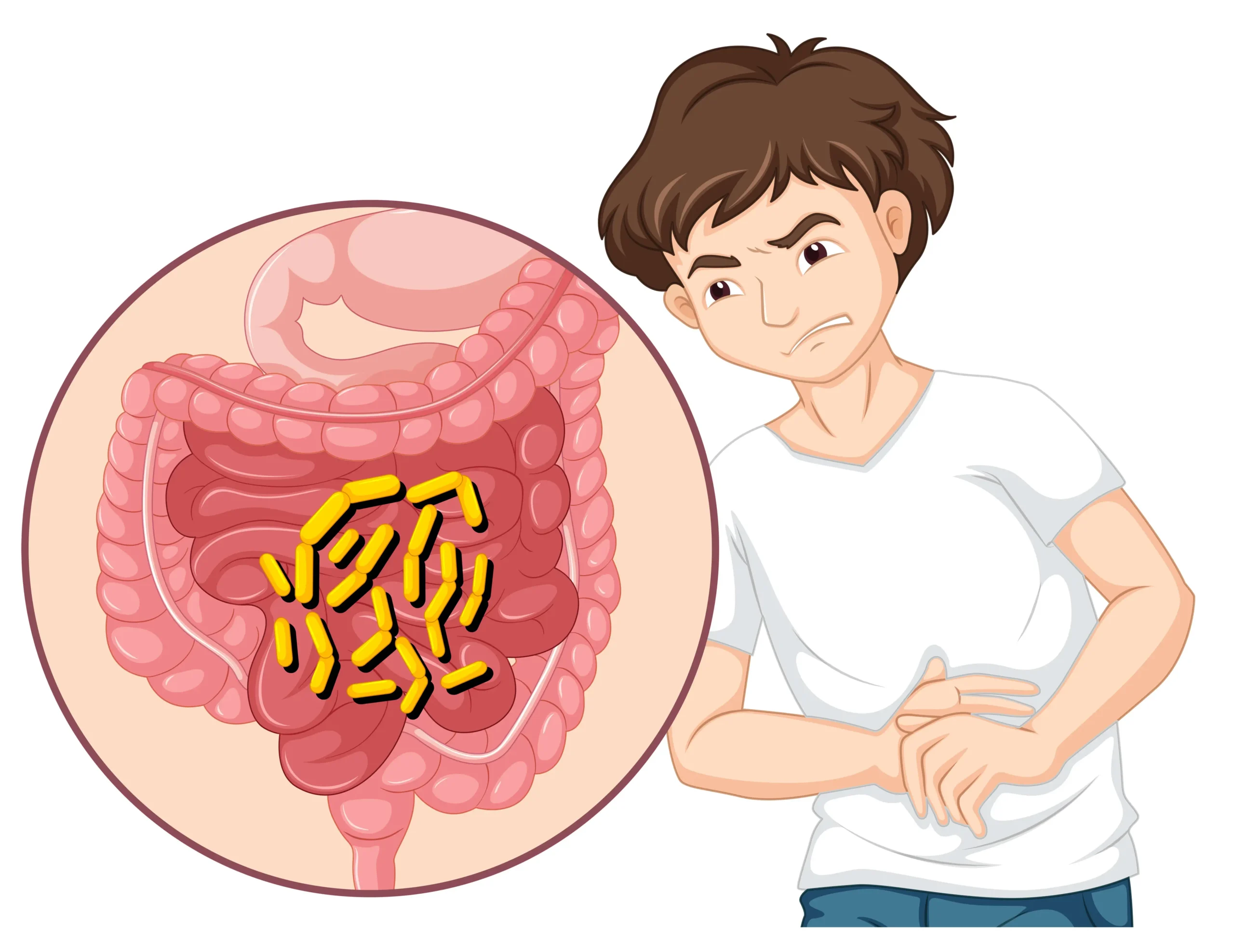
Irritable Bowel Syndrome or IBS is well-heard-of and often-talked-about condition which affects the digestive tract. Although well recognised, it is not understood properly and the term is often misused in place of even short-term digestive issues. However, IBS is more than just having an off day or week of tummy upset. Consider this article as your quick, short and clear guide to understanding what exactly is IBS.
What exactly is IBS?
IBS is a condition of different digestive issues occurring together every time a person experiences certain triggers. Consistently, all individuals facing IBS feel symptoms like bloating, abdominal cramping, pain, etc. It is called a syndrome because there is no single clear cause, or structural abnormality which can be pinpointed as the root cause of IBS. This is very different from a disease which can be because of a single and identifiable cause. Rather, there have been widely differing causes ranging from physical to psychological issues which have known to trigger IBS. Having IBS also does not cause any damage to your intestines unlike a disease.
What is the biggest symptom of IBS?
Although there are a few consistent symptoms felt by anyone who experiences IBS, its biggest tell-tale symptom is abdominal pain or cramping, which is followed by either constipation or diarrhoea.
Some common and surprising symptoms of IBS are: note that most of these symptoms feel like just normal digestive issues, and that is the main characteristic of IBS.
- Abdominal Pain and Cramping: This is the most common symptom. The pain is often related to bowel movements and may improve after passing stool.
- Bloating: Many people persistently feel full and may even have a visibly swollen abdomen, which can often worsen through the day.
- Flatulence: Feeling excessive gas passing is a frequent complaint in IBS. This can also be the contributing factor for abdominal discomfort and bloating.
- Diarrhoea: Frequent, loose, or watery stools, along with sometimes feeling an urgent need to use the bathroom. Individuals having diarrhoea with IBS symptoms are categorized as IBS-D type.
- Constipation: Having infrequent bowel movements, straining, or a feeling that the bowels haven’t completely emptied along with other IBS symptoms. People feeling these set of symptoms are said to have IBS-C type.
- Mixed Bowel Habits: Some people alternate between bouts of diarrhoea and constipation, often within the same week or even the same day. These set of people have IBS-M type.
- Mucus in Stool: It is also common to notice a small amount of clear or white mucus appearing in or on the stool, along with the other symptoms.
How do I know if I have IBS?
If you are noticing the above symptoms regularly, it is natural for you to suspect that you may have IBS.
The final diagnosis can only be confirmed with a certified gastroenterologist, and there are a number of ways that your doctor may use to come to this conclusion.
However, when you observe your symptoms accurately, your doctor and you can arrive to a diagnosis quickly with more efficiency. So here are some major points you can proactively observe which can majorly point to IBS.
Duration of symptoms: You would feel IBS symptoms flare up every time you come across a trigger. Typically, you would notice these flare ups regularly over time, for at least 3–6 months. In contrast, acute stomach infections, or even indigestion episodes generally last for just about 7-10 days and then stop completely.
Relief After Bowel Movements: A classic indicator of IBS is that abdominal cramping or “gut pain” feels significantly better immediately after you pass stool.
Trigger Patterns: Always keep a note of when your symptoms flare up. It can be during certain times, or after eating certain foods, or after any infections which you face. Common triggers can include:
- Stressful periods: when you face certain high-pressure situations at work or home.
- After certain meals: Common triggers include dairy, gluten, or fried foods.
Can IBS start suddenly?
The answer to this question is both yes and no.
IBS does start suddenly in certain instances. These are instances when some lifestyle and diet choices can trigger IBS symptoms. Other events like big lifestyle changes, important events, drastic detoxing, and unfamiliar foods can also cause a sudden onset of IBS symptoms.
However, many times the IBS symptoms are there all along, just not strong enough for you to notice them. Most people do not pay extra attention to their daily toilet activities like changes in stool consistency or even mild bloating, and cramping which passes. It is usually when things feel very different or wrong from the normal is when anyone would start to notice their digestive habits. In this case, IBS would’ve started since a long time, but you begin to notice it only when the symptoms bother you too much.
IBS is a journey by itself—from the time you notice your symptoms, to getting the right professional guidance, and it requires a good amount of patience. While understanding the symptoms is a vital first step, finding lasting relief often involves a personalized approach tailored to your unique triggers. At Smiles gastroenterology centre, Bangalore, a team of top-class dieticians and expert gastroenterologists specialize in comprehensive digestive care. They can help you move beyond just managing discomfort to reclaiming your quality of life. Take control of your gut health today with empathetic and supportive specialists to feel your best every day.
