

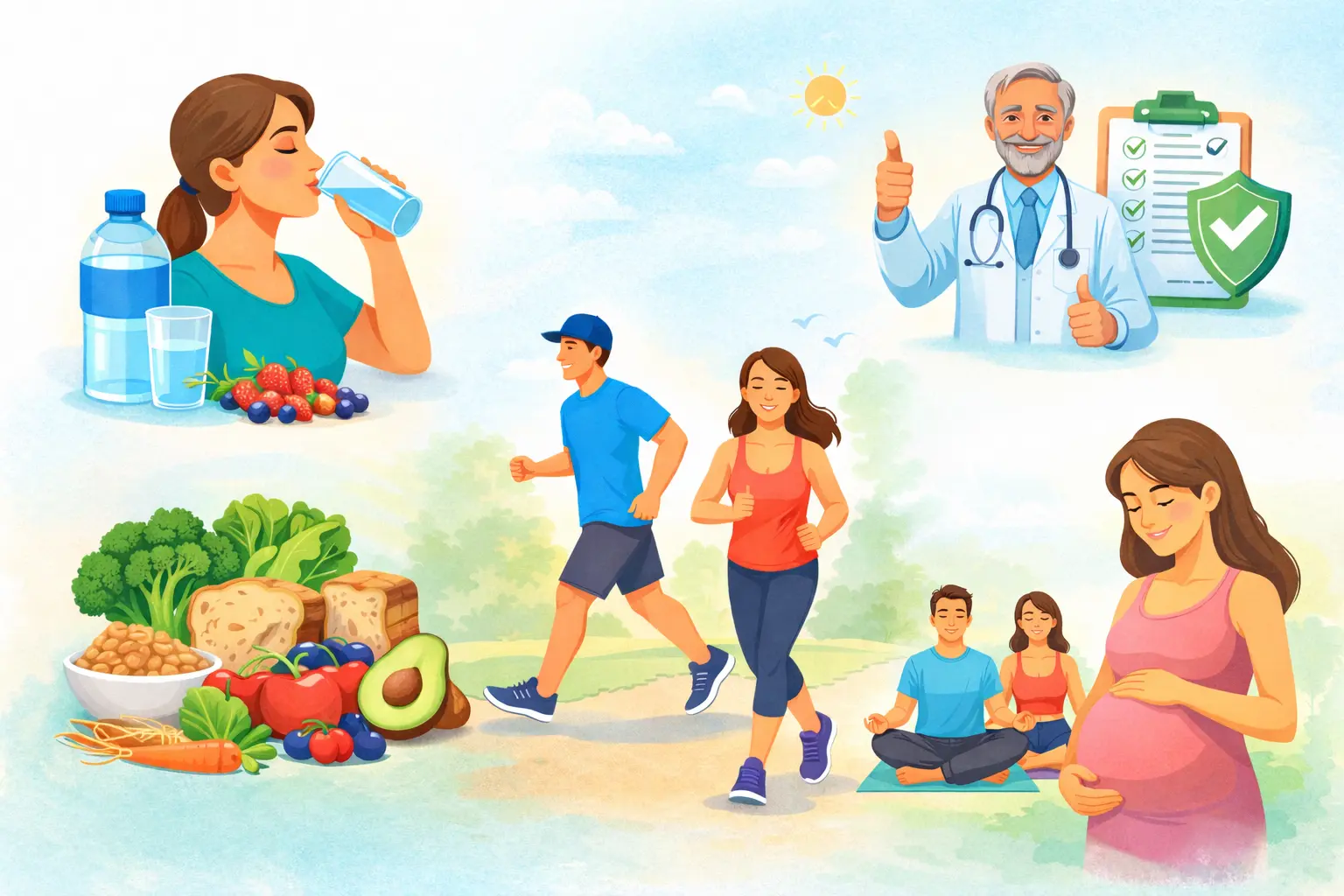
Piles is a very common condition which occurs because of swollen veins in the rectal- and anal regions. It is caused majorly due to poor eating habits, sedentary activities, and no adequate hydration. However, it is also a temporary condition, which means piles can go away with consistently adopting habits which are supportive of a good gut- and bowel health.
To manage your condition effectively, it is essential to recognize common piles symptoms—such as persistent itching, rectal pain, or swelling around the anus—as early identification allows for more conservative treatment options and a faster recovery process.
Will piles go away on their own?
The short answer is, yes—piles can go away on their own. Piles are categorized as a lifestyle disorder, just like diabetes. Lifestyle disorders result from consistently adopting unhealthy habits like regularly eating refined foods, doing less or no physical activity, not getting proper rest, and low hydration.
The good news is, mindfully choosing clean food, exercise, and adequate hydration is shown to be positively associated with reduced piles and its symptoms.
However, like everything else, there are exceptions here too. The natural healing of piles is largely dependent on two points:
- Mindful and reinforced consistency to adopt healthy lifestyle habits like clean eating, ample hydration, and physical activity daily.
- The progression of piles–which stage your piles are at, also matters significantly in their healing. The below guide will soon show you why this matters a lot.
Stages of piles progression: simple and must-know points.
Stage 1: these are just simple swollen veins, mostly occurring internally—completely inside the rectum. At this stage, you cannot feel them physically, or even see them (if you try to with a mirror). Most people only feel mild discomfort, and may see very small streaks of blood while using the toilet. Rigorous lifestyle modifications like upping fibre and water intake will help the best for piles to go away on their own at this stage.
Stage 2: this stage is a slightly advanced version of stage 1. The swollen veins may come/hang out of the anal hole because of consistent straining. You can feel them as tiny swellings or lumps when you touch the anal hole. Most people feel itchiness, irritation, increased discomfort, and pain. State 2 piles can go away on their own with consistent lifestyle modifications. But they would also require using other home remedies like using a sitz bath, and OTC ointments. Using Vaseline and pure coconut oil can also help ease the itching with stage 2 piles.
Stage 3: at this stage, the piles are also called prolapsed haemorrhoids. Prolapsed means hanging, it happens when the swollen veins have been pushed out of the ana canal consistently due to straining, that they are hanging out for the most part. Repositioning them manually helps, but only very rarely.
Stage 4: this is the most severe stage of piles. They permanently hang out, no matter what lifestyle modification is used. Remedies like ointments or stool softener syrups also do not help to make the pile go away or shrink back on their own. Sharp and intense pain, extreme itchiness, and prominent blood streaks in the toilet or on the toilet paper are the common symptoms at this stage. A visit to the best piles doctor in Bengaluru, and adopting any simple procedure like advanced laser surgery, rubber banding, or stapler surgery is the most optimal treatment for stage 4 piles. Once you undergo any procedure, remember to always consistently adopt healthy lifestyle modifications. Chances of piles recurring would remain high even after medical procedures, if no healthy lifestyle choices are adopted.
How to get rid of piles quickly?
There is no fixed timeline to get rid of piles. Each person experiences piles differently. Even with symptoms being common, the piles progression and degree to which it is felt may vary. Thus, even though there are rough timelines to which each stage of piles can go away, the quickest way to get rid of piles is always to start using remedial measures at the very first symptom you observe.
General timelines to resolve each stage of piles:
| Stage of piles | How long it takes for resolution | How to get rid of this stage quickly |
| Stage 1 | Usually 3–7 days using the correct diet and home care remedies.
|
Easiest & quickest to resolve. Eating a high fibre diet, & ample hydration is all that is needed to recover. |
| Stage 2 | 1–2 weeks for bulge to subside with diet and other remedies. Flare ups will happen if you continue to strain. | Mindfully following a high-fibre diet, adequate hydration helps. But it needs to be combined with using a sitz bath every day, applying ointments containing witch hazel or lidocaine. |
| Stage 3 | Several weeks. | Symptoms will resolve with homecare methods and diet changes, but the prolapsed pile may need to be manually pushed back in as they continue to repeatedly come out.
|
| Stage 4 | Cannot be resolved by itself. Symptoms will persist even with remedies. Can be permanently resolved only with medical interventions. | Adopting medical interventions like haemorrhoidectomy, or laser surgery at the earliest is the best way to get quick relief from piles. |
So, as is clear from above, you can get rid of piles quickly when symptoms are noticed early and healthy lifestyle measures are adopted consistently, at the earliest. It is also completely natural not to have noticed or been bothered too much by the symptoms during the first two stages. In such cases, seeking medical advice from a good colorectal expert at the earliest helps in quick resolution once it has progressed to stage 3.
Specialists can combine non-invasive and efficient procedures with home remedies to give you a permanent relief. Recovery from these procedures can happen as quickly as two weeks. After all, what is just 15 days, when compared to permanent relief from the pain, and discomfort caused by piles.
How to get rid of piles in pregnancy?
Piles formation during pregnancy is a very common complaint. The symptoms are the same as piles which are formed even in the absence of pregnancy. However, there are differing reasons for their occurrence. Many pregnancy-related factors can make an expecting mother more susceptible to piles.
However, rest assured, piles in pregnancy is a temporary condition. It can improve with the below pregnancy-safe and effective tips to help you ease your symptoms.
- Drink plenty of liquids: get up your hydration to 3L a day. It can be with water, milk, unstrained fruit juices without sugar, vegetable soups, and buttermilk. Remember to avoid added sugars. Drink more water if you are not used to eating or drinking so much fibre at once.
- Increase dietary fibre intake: Include plenty of fruits, vegetables, whole grains, and salads in your meals. Include fruits with their skin for easy fibre sources. Fibre softens stools and reduces constipation, which is a major trigger for piles in pregnancy.
- Use a sitz bath regularly: Fill a sitz tub with warm water and sit in it for at least 15 minutes, three times a day, when you experience active piles symptoms. This helps in soothing the itching, and brings down the swelling.
- Avoid sitting for long periods: Sitting puts added strain on the rectal veins, apart from the pressure from the growing baby. Try to take short walks, and include doctor advised safe exercises to get relief from sitting for too long.
- Use doctor recommended medications: There are several medication types such as stool softeners (syrups which have insoluble fibre), laxatives, and ointments. Always remember to use doctor recommended medications during pregnancy.
How do you treat piles in children?
Although not as common as adults, piles can even form in children. They form mainly from excessive straining due to chronic/long-term constipation. Since a child’s skin is very soft, piles in children are treated by focusing on healing the skin rather than using any medications.
Here are some child-safe tips to help ease the symptoms of piles in children.
- Use sitz baths: Have your child sit in a sitz bath for 10-15 minutes, 2-3 times daily. This effective remedy soothes the skin, and reduces the swelling & pain.
- Give adequate fibre: Most of the constipation comes from over consumption of ultra-processed food high in salt and sugar.
- Include plenty of vegetables in different forms: Include high fibre veggies like carrots, cucumbers, all gourd types, & pumpkin. Give it in different forms to keep things interesting—soups, colourful salads, veggie patties, cucumber dosas, vegetable raita are all good high fibre food examples.
- Fruits: Remember all the ‘P’ fruits like papaya, pear, plum, and prunes have plenty of fibre which can be used to instantly treat piles in children.
- Fiber Boost: Gradually increase whole grains (oats, brown bread), beans, and lentils.
- Limit Dairy: In some children, excessive milk or cheese can lead to harder stool. Ask your doctor if you happen to notice this.
- Use cold compress over the region to numb the pan.
- Always clean the area gently with wet wipes or water to keep the area clean after every bowel movement.
- Always consult a good paediatrician for starting any children safe ointments, syrups, or laxatives.
Is it okay to leave piles untreated?
Unfortunately, leaving piles untreated is not a safe, or healthy idea. Piles is a lifestyle disorder, experienced by sharp pain and discomfort. The major cause of piles in adults is due to regularly following unhealthy lifestyle habits. Piles begin as small lumps and swellings of veins in the rectal and anal area. At this early stage, adopting clean eating habits and ensuring adequate hydration can help the swollen veins reduce quickly, allowing the piles to resolve completely.
However, when piles in the first two stages are ignored, and no measures in lifestyle are taken to soften the stools, it progresses to stage 3 & 4 piles. These advanced stages cannot resolve by themselves and require medical interventions such as haemorrhoidectomy, banding, or laser surgery. This is why leaving piles untreated can lead to more severe stages that need medical treatment rather than simple home remedies.
What triggers piles?
Piles are triggered in a major part because of significant straining while passing hard stools. Eating ultra processed foods and not drinking enough water, are two culprits triggering piles in most adults. Ultra processed foods are a product of stripping away all the fibre and replacing them with unhealthy fats, high salt, and added sugars. Regular consumption of such foods easily can lead to piles. At the other end of the spectrum, many people adopt high-protein or keto diets to cut carbs in the diet. High-protein and keto foods naturally contain almost zero fibre. These diets, although healthy, can contribute to piles due to lack of fibre when they are not planned & paired well.
