

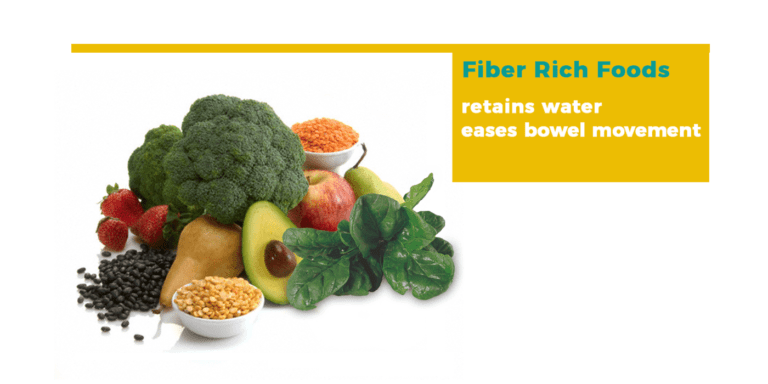

Despite being the talk of the town, the importance of fiber remains underrated.
Most people don’t get enough of the recommended amount of fiber — 25 grams a day for women and 38 grams a day for men — in their diet.
Keeping the benefits of an efficient bowel system aside, there’s just so much that a high-fiber diet can do for you. It is a heart hero and reduces the risk of stroke and hypertension. It can help you manage your weight by keeping you full for longer and curbing unwanted cravings. It can even regulate the speed of digestion and keep your blood sugar levels in check.
Integrating dietary fiber into your daily routine is a cornerstone of maintaining optimal digestive health and preventing common colorectal issues. By incorporating staples like oats, lentils, flaxseeds, and fiber-packed vegetables like broccoli into your meals, you can effectively manage weight, regulate blood sugar, and ensure smooth bowel movements. For those looking to tailor these benefits to a traditional palate, exploring a comprehensive high fibre foods list india can provide culturally relevant choices that enhance gut wellness. Prioritizing these nutrient-dense options not only supports heart health but also serves as a natural defense against constipation and long-term gastrointestinal discomfort.
What is fiber and how much do you need?
Fiber is any non-digestible, plant-derived carbohydrate that comes in two forms- soluble and insoluble.
- Soluble Fiber: As the name suggests, soluble fibers mix with water from the food you eat and result in the formation of a gel in the stomach which helps prevent unwanted food components to get absorbed by the body. This means that soluble fibers reduce the production of cholesterol in our body.
- Insoluble fibers: They are known as roughage and their main function is to make the stool bulky which makes it easier to excrete. This type of fiber doesn’t break down in the gut. Skipping your daily dose of fiber may lead to constipation.
Increasing fiber in your diet is easier than you think. Before you do, here’s a word of caution. While increasing your fiber intake don’t forget to keep your body well hydrated. Fiber tends to pull water into the intestines which makes it essential to increase your fluid consumption as well.
Take a look at some of our favorite fiber rich foods.
- Eat oats but not just for breakfast
Oats are one of the best sources of fiber. It has both soluble and insoluble fibers. - Lentils
Besides being high in protein, lentils are rich in dietary fiber. - The super seed
Flaxseeds are great for a fiber boost. Just add them into smoothies or use as a topping over your breakfast cereal. - Fruits
Fruits like pineapples, berries, grapes, avocados and apples are great sources of fiber. - Broccoli
Broccoli is also packed with fiber along with Vitamin C and calcium.
If you use fiber supplements, be sure to drink at least eight glasses of water or other fluids every day. Otherwise, the supplements can cause constipation or make constipation worse.